Clinical Strategies Summit: Crossroads of Care
Clinical Strategies Summit: Crossroads of Care
Join us for a two-day virtual continuing education summit designed for interprofessional practitioners and leaders across healthcare disciplines. This event will serve as a dynamic platform for collaboration, shared learning, and address the critical intersections of care in today's complex healthcare landscape.
Earn up to 13.5 continuing education credits with the 2-Day Summit Pass just $177, which includes:
- Access to all 6 *live virtual presentations, earn up to 10.5 credits
- Plus FREE access to our exclusive 3 credit on-demand course, "Human Trafficking"
Summit registrants will receive 30 days of replay access | Group Registration Rates Available!
*Credits for webinar sessions can only be earned through attendance of the live session.
Keynote: Join Katherine Daly, PhD as she offers expert insights on reducing burnout in healthcare professions, focusing on relevant theory, stress management approaches, and health promotion strategies.
6 Live Sessions: Engage in live educational sessions presented by industry experts sharing practical strategies for implementing interprofessional approaches in clinical settings. View our full summit schedule >> HERE
Networking: Keep the discussion going post session with peers from various disciplines to share experiences, discuss solutions, and foster lasting professional relationships.
Target Audience
This educational activity is intended for an interprofessional audience of healthcare providers, including psychologists, social workers, counselors, MFT's, nurses, medical doctors, and dietitians.
References & Resources
Cavanagh N, Cockett G, Heinrich C, Doig L, Fiest K, Guichon JR, Page S, Mitchell I, Doig CJ. Compassion fatigue in healthcare providers: A systematic review and meta-analysis. Nurs Ethics. 2020 May;27(3):639-665. doi: 10.1177/0969733019889400. Epub 2019 Dec 12. PMID: 31829113.
Riordan, J. P. (2022). Dyadic trauma and attachment: A monozygotic twin study assessing the efficacy of Somatic Experiencing®. Journal of Applied Neurosciences, 1(1), 3. https://journals.co.za/doi/abs/10.4102/jan.v1i1.3
Bailey Jr, D. E., Docherty, S. L., Adams, J. A., Carthron, D. L., Corazzini, K., Day, J. R., … Anderson, R. A. (2012). Studying the clinical encounter with the Adaptive Leadership framework. Journal of Healthcare Leadership, 4, 83–91. https://doi.org/10.2147/JHL.S32686
Hay, P. (2020). Current approach to eating disorders: a clinical update. Internal medicine journal, 50(1), 24-29. https://doi.org/10.1111/imj.14691
Shah, N., Walker, I.F., Naik, Y. et al. National or population level interventions addressing the social determinants of mental health – an umbrella review. BMC Public Health 21, 2118 (2021). https://doi.org/10.1186/s12889-021-12145-1
Wittmann, L., Mahlke, C., Bock, T., Nagel, K., Dorner, R., Heuer, I. (2023). Trialogic Interventions: An Innovative Anti-Stigma Module for De-escalation Trainings. In: Staller, M.S., Koerner, S., Zaiser, B. (eds) Police Conflict Management, Volume II. Palgrave Macmillan, Cham. https://doi.org/10.1007/978-3-031-41100-7_10
Use our CE Approvals tool to look up your state requirements and how can help you meet them, or log in to your member account to show approvals relevant to your licensure.
Conference Agenda
Jan 31st, 2025
Burnout Prevention for Interdisciplinary Healthcare Workers
Katherine Daly, Ph.D.
This 3-hour course will cover signs and symptoms of burnout and unique theories that help us understand the unique mental health stressors that healthcare providers such as residents, physicians, nurses, and mental health clinicians experience. Some of the characteristics that drive success and achi...
This 3-hour course will cover signs and symptoms of burnout and unique theories that help us understand the unique mental health stressors that healthcare providers such as residents, physicians, nurses, and mental health clinicians experience. Some of the characteristics that drive success and achievement in healthcare professionals can also put these professionals at greater risk for stress-related symptoms, anxiety, depression, and burnout. Research also suggests that the most caring and conscientious professionals are at higher risk for burnout. Theories such as maladaptive perfectionism, imposter syndrome, and compassion fatigue provide some context for mental health clinicians to understand the psychological detriment of when a person’s high expectations for themselves become unhealthy. Increasingly, mental health clinicians are focusing their practice on working with healthcare professionals and hospital are hiring on-site mental health clinicians and wellness coaches. This training will focus on relevant theory, case examples, traditional anxiety and stress management approaches, mindfulness and health promotion strategies to reduce burnout.
Learning Objectives
After taking this activity, you should be able to:
- Be able to identify the specific mental health risk factors commonly experienced by healthcare professionals, including their prevalence and definitions, and relevant theories
- Learn about treatment approaches, including techniques and counseling theories, applicable to this population.
- Gain experience practicing techniques you can use with this client population.
Katherine Daly, Ph.D.
As a counseling psychologist and scientist-practitioner, I am interested in psychological interventions that are applied to promote physical and psychological health and reduce burnout in healthcare professionals. For the last decade, my clinical and research background has focused on applying health promotion and wellness interventions to the medical learner population by increasing accessibility, reducing stigma, and engaging the community in dialogue and awareness about mental health and wellness (topics such as sleep, suicide prevention, lifestyle medicine and burnout). I was a co-investigator on a national grant to help healthcare professionals have better access to resilience training and evidenced-based techniques for reducing burnout. I am passionate about teaching clinicians and healthcare professions on how to prevent and treat burnout, and how to improve their own self-care.
Safety, Connection, Engagement: A Nervous System Approach to Collaborative Healthcare

Christine Baker, PhD, LPC-S, CSAT
In an era where healthcare complexity continues to rise, understanding the fundamental role of the nervous system - both in ourselves as providers and in our patients - offers a unifying framework for truly collaborative care. This 90-minute session introduces a practical, neuroscience-informed appr...
In an era where healthcare complexity continues to rise, understanding the fundamental role of the nervous system - both in ourselves as providers and in our patients - offers a unifying framework for truly collaborative care. This 90-minute session introduces a practical, neuroscience-informed approach to healthcare delivery that transcends disciplinary boundaries. Through the lens of Safety, Connection, and Engagement, participants will explore how nervous system awareness can transform clinical interactions, enhance team collaboration, and improve patient outcomes. Drawing from Polyvagal Theory and contemporary neuroscience, participants will learn to recognize and respond to nervous system states in themselves and others, creating an embodied understanding of what makes healthcare interactions either nurturing or challenging. Through experiential exercises, case examples, and practical applications, participants will gain tools they can immediately implement in their clinical settings. This session is designed for healthcare professionals across disciplines who seek to enhance their clinical effectiveness while supporting their own wellbeing and that of their colleagues.
Learning Objectives
After taking this activity, you should be able to:
- Explain the steps and techniques needed to cultivate a provider presence and regulation as a foundation for effective care.
- Describe the observable nervous system cues that clinicians may encounter during patient interactions and outline strategies to respond effectively.
- List and analyze at least three approaches for creating environments that support co-regulation across healthcare teams, highlighting their impact on team dynamics.
- Identify and evaluate at least three methods for building sustainable practices that enhance clinician wellbeing and support clinical effectiveness.
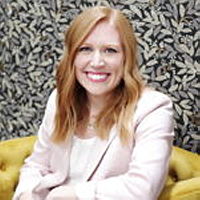
Christine Baker
Dr. Christine Baker is a Licensed Professional Counselor and Supervisor. She has been a licensed counselor in private practice for over 13 years, where she has specialized working with trauma recovery and people struggling with sexual compulsivity and their loved ones. She is a Somatic Experiencing Practitioner and EMDR trained, and she has also completed the Traumatic Stress Studies certificate through The Trauma Center at the Justice Resource Institute under Dr. Bessel van der Kolk. Dr. Baker has also served as an adjunct professor at Richmont Graduate University for many years in their Masters in Clinical Mental Health Counseling Program, and she has provided support to many organizations and non-profits through training and education programs.
Adaptive Leadership in a Complex World: A Guide for Clinical Leaders

Brandon Jones, MA
In today’s rapidly changing healthcare landscape, clinical leaders must navigate complexity with agility and resilience. This workshop, “Adaptive Leadership in a Complex World,” equips clinical leaders with the tools and strategies to lead effectively amidst uncertainty and change. Through interacti...
In today’s rapidly changing healthcare landscape, clinical leaders must navigate complexity with agility and resilience. This workshop, “Adaptive Leadership in a Complex World,” equips clinical leaders with the tools and strategies to lead effectively amidst uncertainty and change. Through interactive sessions, case studies, and practical exercises, participants will learn to embrace adaptive leadership principles, fostering innovation, collaboration, and sustainable solutions in their organizations.
Learning Objectives
After taking this activity, you should be able to:
- Demonstrate strategies to enhance problem-solving skills.
- Explain and implement at least three innovative and collaborative strategies to improve team effectiveness and outcomes.
- Develop and apply frameworks that build resiliency and agility.
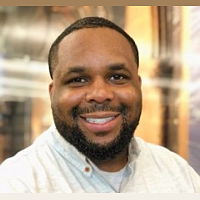
Brandon Jones
Brandon is the Executive Director of Minnesota Association for Children’s Mental Health. He specializations in Adverse Childhood Experiences (ACEs), Historical and Intergenerational trauma, Social/Emotional Intelligence (EQ), Leadership, and Diversity, Equity, and Inclusion. Brandon holds a B.A. in Sociology from the University of Minnesota, a Masters in Community Psychology from Metropolitan State University, and a Masters in Adlerian Counseling and Psychotherapy (MFT) from Adler Graduate School. Brandon is Intercultural Development Inventory (IDI) Qualified Administrator. Brandon is Bush Foundation Leadership Fellow (2013) and Professor graduate and undergraduate studies. He lives by the motto of “Live life with Purpose on Purpose.”
Feb 1st, 2025
Eating Disorder Treatment: Embracing the Inner Rebel
Camille Williams, LCPC, CEDS-C
Treating eating disorders is not easy when it seems everyone has an opinion on food, health, and bodies. This can make recovery feel impossible to navigate for those who are struggling with eating disorder behaviors. This presentation will provide an overview of the different diagnoses for eating di...
Treating eating disorders is not easy when it seems everyone has an opinion on food, health, and bodies. This can make recovery feel impossible to navigate for those who are struggling with eating disorder behaviors. This presentation will provide an overview of the different diagnoses for eating disorders and an in-depth understanding of the emotional complexities that go beyond the external factors of food and body. This presentation will highlight the importance of working with an entire treatment team to address the many facets of the recovery process. Finally, there will be extensive information on different treatment modalities and specific strategies to use in therapy.
Learning Objectives
After taking this activity, you should be able to:
- Define and describe eating disorder diagnoses and myths that perpetuate unhelpful stereotypes.
- Identify different members of the treatment team for eating disorders and what they need to do to provide the best care for their client.
- Understand how to implement at least 3 clinical strategies when treating eating disorders.
Camille Williams, LCPC, CEDS-C
Camille is a Licensed Clinical Professional Counselor (LCPC) in the state of Illinois and a Certified Eating Disorders Specialist and Consultant (CEDS-C) through the International Association of Eating Disorder Professionals (iaedp). Camille worked for over a decade with the eating disorder population in higher levels of care and currently works in an outpatient setting primarily with individuals with eating disorders and co-occurring disorders.
During her time in the residential setting, she provided individual, group, and family therapy to residents and their loved ones. She was the coordinator for the eating disorder program for several years. She created and updated the curriculums for group therapy including groups on body image, binge eating, and psychoeducational groups for all eating disorders. Camille also trained all incoming staff on eating disorders and had frequent consultations and supervisions with several departments across campus to provide ongoing support and education.
Camille is incredibly passionate about education and advocacy surrounding the eating disorder population and throughout the years has provided a multitude of presentations on eating disorders to professionals in mental health. Camille has published countless blogs and also provided brief online interviews on topics surrounding eating disorders that encourage awareness and education.
Into Action: Program Design to Address Social Determinants of Mental Health
Sophie Nathenson, Ph.D.
This presentation begins with an overview of the social determinants of mental health in America. It outlines a conceptual and practical framework for designing initiatives and programs to address social determinants. Both best practices and challenges of program design are presented, concluding wit...
This presentation begins with an overview of the social determinants of mental health in America. It outlines a conceptual and practical framework for designing initiatives and programs to address social determinants. Both best practices and challenges of program design are presented, concluding with discussion of working across sectors, community engagement, and evaluation.
Learning Objectives
After taking this activity, you should be able to:
- Identify at least five evidenced-based determinants of mental and physical health.
- Explain the six steps in program design.
- Describe two pitfalls in program design, and a strategy to overcome them.
Sophie Nathenson, Ph.D.
Sophie Nathenson is a Medical Sociologist, professor and consultant based in Portland, Oregon. She is the Director of the Masters of Allied Health Program, and founding Director of the Population Health Management BS Program and Research Center at Oregon Tech. She is also the owner of Widespread Wellness Consulting, providing career mentorship and education for individuals and groups working on promoting social, physical, emotional, and mental wellbeing.
De-Escalation Skills for Helping Professionals
Diane Bigler, LCSW, LSCSW
What are the best ways to respond to someone who is upset? Knowing how to manage an escalated individual can make the difference between a situation calming down or escalating. This workshop will summarize the key factors that lead to escalation in people. Learners will discover methods to successfu...
What are the best ways to respond to someone who is upset? Knowing how to manage an escalated individual can make the difference between a situation calming down or escalating. This workshop will summarize the key factors that lead to escalation in people. Learners will discover methods to successfully de-escalate other people in a safe manner. Case studies and video clips will explain the value of approaching de-escalation in a responsible manner.
Learning Objectives
After taking this activity, you should be able to:
- Summarize at least five key factors that lead to escalation in individuals.
- Discover more than three methods for safely de-escalating individuals in a crisis.
- Summarize de-escalation best practices.
Diane Bigler, LCSW, LSCSW
Diane Bigler, LCSW, LSCSW, is a Licensed Clinical Social Worker in Missouri and Kansas with over 25 years of experience in the mental health field. She has held clinical positions as an outpatient and in-home therapist, and clinical supervisor. Diane was an Adjunct Professor of Social Work for 10 years at The University of Kansas, School of Social Welfare and a Field Liaison and Field Instructor. She has also held administrative positions as a program Director and Coordinator. Diane is a popular local and national trainer on a wide variety of mental health and workplace development topics for clinicians and corporations. Diane is most passionate about providing quality professional development to clinicians, employees, and leaders. For fun, Diane loves to spoil her four Dachshunds and rock out to 80’s music.
Conference Speakers

Dr. Christine Baker is a Licensed Professional Counselor and Supervisor. She has been a licensed counselor in private practice for over 13 years, where she has specialized working with trauma recovery and people struggling with sexual compulsivity and their loved ones. She is a Somatic Experiencing Practitioner and EMDR trained, and she has also completed the Traumatic Stress Studies certificate through The Trauma Center at the Justice Resource Institute under Dr. Bessel van der Kolk. Dr. Baker has also served as an adjunct professor at Richmont Graduate University for many years in their Masters in Clinical Mental Health Counseling Program, and she has provided support to many organizations and non-profits through training and education programs.
Presenting Sessions:
Safety, Connection, Engagement: A Nervous System Approach to Collaborative Healthcare
Camille is a Licensed Clinical Professional Counselor (LCPC) in the state of Illinois and a Certified Eating Disorders Specialist and Consultant (CEDS-C) through the International Association of Eating Disorder Professionals (iaedp). Camille worked for over a decade with the eating disorder population in higher levels of care and currently works in an outpatient setting primarily with individuals with eating disorders and co-occurring disorders.
During her time in the residential setting, she provided individual, group, and family therapy to residents and their loved ones. She was the coordinator for the eating disorder program for several years. She created and updated the curriculums for group therapy including groups on body image, binge eating, and psychoeducational groups for all eating disorders. Camille also trained all incoming staff on eating disorders and had frequent consultations and supervisions with several departments across campus to provide ongoing support and education.
Camille is incredibly passionate about education and advocacy surrounding the eating disorder population and throughout the years has provided a multitude of presentations on eating disorders to professionals in mental health. Camille has published countless blogs and also provided brief online interviews on topics surrounding eating disorders that encourage awareness and education.
Presenting Sessions:
Eating Disorder Treatment: Embracing the Inner Rebel
Diane Bigler, LCSW, LSCSW, is a Licensed Clinical Social Worker in Missouri and Kansas with over 25 years of experience in the mental health field. She has held clinical positions as an outpatient and in-home therapist, and clinical supervisor. Diane was an Adjunct Professor of Social Work for 10 years at The University of Kansas, School of Social Welfare and a Field Liaison and Field Instructor. She has also held administrative positions as a program Director and Coordinator. Diane is a popular local and national trainer on a wide variety of mental health and workplace development topics for clinicians and corporations. Diane is most passionate about providing quality professional development to clinicians, employees, and leaders. For fun, Diane loves to spoil her four Dachshunds and rock out to 80’s music.
Presenting Sessions:
De-Escalation Skills for Helping Professionals
Brandon is the Executive Director of Minnesota Association for Children’s Mental Health. He specializations in Adverse Childhood Experiences (ACEs), Historical and Intergenerational trauma, Social/Emotional Intelligence (EQ), Leadership, and Diversity, Equity, and Inclusion. Brandon holds a B.A. in Sociology from the University of Minnesota, a Masters in Community Psychology from Metropolitan State University, and a Masters in Adlerian Counseling and Psychotherapy (MFT) from Adler Graduate School. Brandon is Intercultural Development Inventory (IDI) Qualified Administrator. Brandon is Bush Foundation Leadership Fellow (2013) and Professor graduate and undergraduate studies. He lives by the motto of “Live life with Purpose on Purpose.”
Presenting Sessions:
Adaptive Leadership in a Complex World: A Guide for Clinical Leaders
Katherine Daly, Ph.D.
As a counseling psychologist and scientist-practitioner, I am interested in psychological interventions that are applied to promote physical and psychological health and reduce burnout in healthcare professionals. For the last decade, my clinical and research background has focused on applying health promotion and wellness interventions to the medical learner population by increasing accessibility, reducing stigma, and engaging the community in dialogue and awareness about mental health and wellness (topics such as sleep, suicide prevention, lifestyle medicine and burnout). I was a co-investigator on a national grant to help healthcare professionals have better access to resilience training and evidenced-based techniques for reducing burnout. I am passionate about teaching clinicians and healthcare professions on how to prevent and treat burnout, and how to improve their own self-care.
Presenting Sessions:
Burnout Prevention for Interdisciplinary Healthcare Workers
Sophie Nathenson is a Medical Sociologist, professor and consultant based in Portland, Oregon. She is the Director of the Masters of Allied Health Program, and founding Director of the Population Health Management BS Program and Research Center at Oregon Tech. She is also the owner of Widespread Wellness Consulting, providing career mentorship and education for individuals and groups working on promoting social, physical, emotional, and mental wellbeing.
Presenting Sessions:
Into Action: Program Design to Address Social Determinants of Mental Health
Policies
If a grievance arises pertaining to your participation in our continuing education activities, please contact our support team immediately. See our full grievance policy for more information.
ADA accommodations will be made in accordance with the law; please indicate your special needs when you register by contacting us.
Up to 30 days prior to the event, live event registrations may be canceled for a refund via the current courses tab in your member account. Less than 30 days prior to the event, live event registration purchases are not eligible for a refund, but can be transferred to a different event. Please contact our support team for assistance with changing your registration.
-
This is a live event, hosted via Zoom Webinar. you may be prompted to download or upgrade your Zoom app if using a mobile device. A strong WiFi/internet connection will be required for best quality.
-
We recommend clicking your "Join Webinar" button early and checking that your speakers are on before the event begins. Please do not worry about being seen or heard! Attendee video feeds and mics are turned off by default when entering a webinar. You will be able to ask questions via the Q&A feature. You may test your Zoom connection prior to the event at the Zoom Test page .
-
Please respect that no copying, recording, or distribution of live session content is allowed.
We report all course and event completions to CE Broker. If your licensing board uses CE Broker for CE tracking, please be sure to enter your correct license information in your account.
If you need to cancel your registration for a webinar, please contact our support team for assistance prior to the event. Please note our refund policy, above.
If the activity must be cancelled by the provider, all attendees will receive an email notifying them of the cancellation. The email will also provide details about transferring the registration to another educational activity or receiving a refund of the registration fee. As always, you can contact our support team if you have questions or concerns.
Frequently Asked Questions
Once you register, you'll receive an email with the link and instructions to join the live event. The event will be hosted via Zoom. You may test your Zoom connection prior to the event at the Zoom Test page We recommend logging in 10-15 minutes early to be sure your connection is ready.
Most live events are recorded and made available to registered participants for a limited time after the event. Check your event materials for specific details about recording availability.
Certificates for live events are typically available within shortly after the event concludes, as soon as attendance verification is completed. You'll receive an email notification when your certificate is ready to download.
If the event is recorded, you may be able to access the recording after the live session. Contact support for information about makeup options for your specific event.
If you need to withdraw 30 or more days before the event, you can do this your self from your current courses tab.