Aging Summit: Knowledge for Care
Aging Summit: Knowledge for Care
Thursday September 25th - Saturday 27th 2025
Target Audience
This educational activity is intended for an interprofessional audience of healthcare providers, including psychologists, social workers, counselors, MFT's, nurses, medical doctors, and dietitians.
References & Resources
Anthonisen, G., Luke, A., MacNeill, L., MacNeill, A. L., Goudreau, A., & Doucet, S. (2023). Patient navigation programs for people with dementia, their caregivers, and members of the care team: a scoping review. JBI evidence synthesis, 21(2), 281-325. DOI: 10.11124/JBIES-22-00024
Hazzan, A. A., Dauenhauer, J., Follansbee, P., Hazzan, J. O., Allen, K., & Omobepade, I. (2022). Family caregiver quality of life and the care provided to older people living with dementia: qualitative analyses of caregiver interviews. BMC geriatrics, 22(1), 86. https://doi.org/10.1186/s12877-022-02787-0
Reynolds 3rd, C. F., Jeste, D. V., Sachdev, P. S., & Blazer, D. G. (2022). Mental health care for older adults: recent advances and new directions in clinical practice and research. World Psychiatry, 21(3), 336-363. https://doi.org/10.1002/wps.20996
Stephen B. Kritchevsky, Nutrition and Healthy Aging, The Journals of Gerontology: Series A, Volume 71, Issue 10, October 2016, Pages 1303–1305, https://doi.org/10.1093/gerona/glw165
Schmutte, T., Olfson, M., Maust, D. T., Xie, M., & Marcus, S. C. (2022). Suicide risk in first year after dementia diagnosis in older adults. Alzheimer's & Dementia, 18(2), 262-271. https://doi.org/10.1002/alz.12390
van Houten, M. E., Vloet, L. C., Rikkert, M. G. O., van de Kerkhof-van Bon, B., de Rooij, A., Verhoeven, M., ... & Berben, S. A. (2024). ERASE: a feasible early warning tool for elder abuse, developed for use in the Dutch emergency department. BMC Emergency Medicine, 24(1), 52. https://doi.org/10.1186/s12873-024-00971-6
Use our CE Approvals tool to look up your state requirements and how can help you meet them, or log in to your member account to show approvals relevant to your licensure.
Conference Agenda
Sep 25th, 2025
Summit Welcome
Examining the Impact of the Opioid Epidemic on Mental Health Across the Lifespan

Keith Chan, PhD, LMSW
The opioid epidemic has contributed to lower life expectancy in the U.S., and continues to be a leading cause of death for substance-related fatalities for Americans across the lifespan. A substantive body of research has highlighted the impact of non-medical prescription opioid use (NMPOU) on menta...
The opioid epidemic has contributed to lower life expectancy in the U.S., and continues to be a leading cause of death for substance-related fatalities for Americans across the lifespan. A substantive body of research has highlighted the impact of non-medical prescription opioid use (NMPOU) on mental health, such as greater psychological distress and higher odds for having major depressive episodes and increased suicidality. Using original, published research from the National Survey on Drug Use and Health (NSDUH), this presentation will provide a detailed background for understanding the impact of the opioid epidemic on mental health across the lifecourse, with focus on ways that providers and community partners can support older adult populations impacted by this public health crisis.
Learning Objectives
After taking this activity, you should be able to:
- Describe the background and history of the opioid epidemic on populations across the lifecourse in the U.S.
- Identify and state the specific risk and protective factors related to opioid misuse with mental health for older adult populations.
- List the possible solutions that can be implemented in clinical settings and community settings as providers and/or advocates.
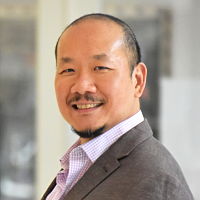
Keith Chan
Keith Chan, PhD, LMSW, is Co-Chair of the Aging Curriculum, Chair of the Policy Curriculum, Social Welfare Policy Chair, and Associate Professor at the Silberman School of Social Work at Hunter College, City University of New York. As a social worker, scholar and educator, his research focuses on the social determinants of physical and mental health for vulnerable populations, in particular for Asian Americans, immigrants and older adults, as well as the impact of the opioid epidemic across the lifespan.
His research has been funded by the Minority Fellowship Program, the National Institute of Minority Health and Health Disparities, the National Institute of Aging, and the John A. Hartford Foundation. He is currently serves as co-Investigator of the NIMHD-funded Rutgers-NYU Center for Asian Health Promotion and Equity (CAHPE), Community Engagement Core and the NIA-funded Research Center for Alzheimer's and Dementia Research in Asian and Pacific Americans (RCASIA). In addition, since 2020, he has provided his research expertise as Congressional Fellow through the Health and Aging Policy Fellows Program to the U.S. House of Representatives Committee on Ways and Means, Subcommittee on Health, Democratic Staff, on issues related to mental health, disability, and population health data.
Dr. Chan’s social work practice experience is primarily with persons diagnosed with serious mental illness within minority, immigrant and older adult populations. Beginning in 2018, he was appointed by the Office of the Governor of New York to serve as a Council Member of the New York State Interagency Geriatric Mental Health and Chemical Dependence Planning Council. At Silberman Social Work at Hunter College, he teaches Social Work Research and Clinical Practice with Older Adults.
Lunch
The Aging Brain and Resilience
Diane Bigler, LCSW, LSCSW
Our brains age throughout life in various ways and clinicians benefit from understanding how the aging brain process impacts individuals that they work with. This course explores the effects of aging on the brain and how the neurological and cognitive functions change as we grow older. Explore the b...
Our brains age throughout life in various ways and clinicians benefit from understanding how the aging brain process impacts individuals that they work with. This course explores the effects of aging on the brain and how the neurological and cognitive functions change as we grow older. Explore the biological, psychological, and social aspects of brain aging, the mechanisms behind age-related changes, neurodegenerative diseases, and strategies for maintaining brain health throughout the lifespan. Case studies and core recommendations will be provided to enhance clinicians ability to support clients and caregivers as they navigate brain changes throughout the lifespan.
Learning Objectives
After taking this activity, you should be able to:
- Describe patterns of brain changes associated with aging and the relationship between brain aging, cognitive functioning, and functional abilities.
- Describe core aspects of DSM-5 Neurocognitive Disorder assessment procedures and practices.
- Identify at least five modifiers of age-related brain changes and at least three ways that clinicians can support brain health in clients.
Diane Bigler, LCSW, LSCSW
Diane Bigler, LCSW, LSCSW, is a Licensed Clinical Social Worker in Missouri and Kansas with over 25 years of experience in the mental health field. She has held clinical positions as an outpatient and in-home therapist, and clinical supervisor. Diane was an Adjunct Professor of Social Work for 10 years at The University of Kansas, School of Social Welfare and a Field Liaison and Field Instructor. She has also held administrative positions as a program Director and Coordinator. Diane is a popular local and national trainer on a wide variety of mental health and workplace development topics for clinicians and corporations. Diane is most passionate about providing quality professional development to clinicians, employees, and leaders. For fun, Diane loves to spoil her four Dachshunds and rock out to 80’s music.
Break
Supporting Older Adults in the Digital Age: Challenges and Opportunities

Jillian Graves, LMSW, PhD
Technology rapidly evolves as social media, the digital information landscape, and even online misinformation change. Older adults have the potential to be excluded from contemporary ways of communicating if they are not able to understand and participate online. Still, there are also risks since s...
Technology rapidly evolves as social media, the digital information landscape, and even online misinformation change. Older adults have the potential to be excluded from contemporary ways of communicating if they are not able to understand and participate online. Still, there are also risks since social media use has been shown to increase anxiety and depression, and being online also requires a heightened awareness of internet scams and misinformation. Because of the benefits and hazards of online usage, understanding how to support older adults using social media is important, including in terms of mental health To address these issues, this seminar will examine the latest research regarding internet usage among older adults, especially around safety concerns, internet addiction, and mental health concerns. We will additionally discuss positive uses of the internet and guidelines that promote safe and positive internet usage.
Learning Objectives
After taking this activity, you should be able to:
- List three findings from the latest research about the risks and benefits of internet usage (especially social media) among older adults.
- Identify three signs that explains the relationship between problematic internet usage and increased anxiety, depression and addictive behavior.
- Describe three treatment modalities used to treat problematic internet usage.
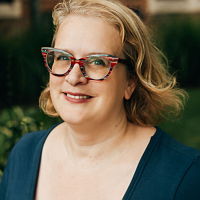
Jillian Graves, LMSW, PhD
Jillian Graves is an associate professor at Eastern Michigan University in the School of Social Work. She has been a mental health practitioner in psychiatric outpatient, private practice, and juvenile court settings for over 25 years. Dr. Graves has worked with adolescents and adults, utilizing DBT, CBT, psychodynamic interventions, Acceptance and Commitment Therapy, and solution-focused interventions. Her scholarly work has focused on the experiences of family caregivers, especially siblings, in adolescent and emerging adult development and trauma-reactive violence. Her most recent research has focused on the impact of COVID-19 on the mental health of retail workers and the use of relational coordination as a mitigating factor. She is currently the co-director of the IPE Center in the College of Health and Human Services.
Sep 26th, 2025
Supporting Clients and Families Experiencing Regressive Illness and Dementia Live

Christina Marsack-Topolewski, PhD, LMSW
In the United States, millions of individuals are living with Alzheimer's disease and other types of dementia. Dementia can pose challenges in all facets of life for both individuals living with dementia, families, and providers. This course explores the current landscape of dementia in the United S...
In the United States, millions of individuals are living with Alzheimer's disease and other types of dementia. Dementia can pose challenges in all facets of life for both individuals living with dementia, families, and providers. This course explores the current landscape of dementia in the United States, focusing on its prevalence, emerging trends, and the broader impact on individuals, families, and services and systems. A special focus will be on understanding the different types of dementia and their coinciding characteristics. In addition, examining various supports, resources, programmatic options, and clinical implications to support individuals living with dementia and their caregivers will be a focus.
Learning Objectives
After taking this activity, you should be able to:
- Describe the current prevalence of dementia in the United States using relevant statistics and demographic data.
- Describe different types of dementia and their respective coinciding characteristics.
- Identify lifestyle factors that may decrease the risk of dementia onset.
- Identify supports and resources for individuals with dementia and their family caregivers.
- Identify common emotional, social, and financial impacts of dementia on individuals and their families.

Christina Marsack-Topolewski
Dr. Christina Marsack-Topolewski is an associate professor of Social Work in the College of Health and Human Services at Eastern Michigan University. Dr. Marsack-Topolewski received her PhD in Social Work with a dual title in Gerontology from Wayne State University. She has worked with individuals with various intellectual and developmental disabilities (IDD) for 20 years. Her research focuses on individuals with autism and other neurodevelopmental disabilities, their caregivers, advance care planning, the service delivery model, and service utilization. She has over 90 publications in national and international journals and encyclopedias, mainly focusing on individuals with IDDs, caregiving, as well as services and supports. In addition, she has presented her work locally, nationally, and internationally.
Lunch
Suicide Considerations in Older Adults
Diane Bigler, LCSW, LSCSW
Older adults are at greater risk of social isolation, bereavement, and chronic health conditions, which may contribute to suicide. This course explores suicide prevention strategies to support older adults, their caregivers, and professionals who support them. Learn about unique challenges and risk...
Older adults are at greater risk of social isolation, bereavement, and chronic health conditions, which may contribute to suicide. This course explores suicide prevention strategies to support older adults, their caregivers, and professionals who support them. Learn about unique challenges and risk factors older adults face and explore the public health issue of suicide and why people may consider dying by suicide.
In this course, you’ll deepen your understanding of how conversations about wellness and suicidality can help reduce stigma and build connection. You’ll also learn to identify and recommend appropriate resources for a variety of scenarios.
Learning Objectives
After taking this activity, you should be able to:
- Describe the etiology of suicide in older adults and outline important end-of-life issues, including psychological, social, and ethical considerations.
- Evaluate the ethical tensions between autonomy, dignity, and beneficence in the context of older adult suicide and end-of-life care.
- Apply the Social Work Assessment Tool (SWAT) to evaluate care needs and considerations in cases involving suicide and end-of-life decision-making.
Diane Bigler, LCSW, LSCSW
Diane Bigler, LCSW, LSCSW, is a Licensed Clinical Social Worker in Missouri and Kansas with over 25 years of experience in the mental health field. She has held clinical positions as an outpatient and in-home therapist, and clinical supervisor. Diane was an Adjunct Professor of Social Work for 10 years at The University of Kansas, School of Social Welfare and a Field Liaison and Field Instructor. She has also held administrative positions as a program Director and Coordinator. Diane is a popular local and national trainer on a wide variety of mental health and workplace development topics for clinicians and corporations. Diane is most passionate about providing quality professional development to clinicians, employees, and leaders. For fun, Diane loves to spoil her four Dachshunds and rock out to 80’s music.
Ethics and Eating: Closing the Circle of Life
Susan I Wranik, MS, MA, CCC-SLP
Swallowing and eating are basic life sustaining functions, yet people know surprisingly little about how swallowing works or why it doesn't, and that treatment may be available. This program provides an overview of the physiology of swallow, underlying etiologies for those experiencing dysphagia...
Swallowing and eating are basic life sustaining functions, yet people know surprisingly little about how swallowing works or why it doesn't, and that treatment may be available. This program provides an overview of the physiology of swallow, underlying etiologies for those experiencing dysphagia (difficulty swallowing), an explanation of which diagnostics to use when, together with intervention strategies. Ethical guidelines informing decisions on care for those who cannot or will not eat are illustrated through case studies, together with an explanation of what actually happens at end of life with regard to swallowing and how to help family and loved ones understand - through careful word choice - and safeguard quality of life for their loved ones. This program will provide those involved in the care management of others with valuable tools to guide them when dysphagia, eating or not eating are issues.
Learning Objectives
After taking this activity, you should be able to:
- Identify and describe the three primary causes of swallowing difficulties.
- Describe at least two strategies or interventions used to improve oral intake.
- Explain the physiology of swallowing and the changes that occur during eating at end of life.
Susan I Wranik, MS, MA, CCC-SLP
Susan, a Milwaukee, Wisconsin native, is a national speaker, author, linguist and medical professional passionate about clear communication and quality of life. Initially a translator/interpreter for the Italian Ministry of Defense, she moved to clinical work as a speech-language pathologist.
Career Highlights include: • TEDx talk on THE POWER OF WORDS • Clinical treatment in 6 languages • Communication Clubs for people with Parkinson’s Disease • Pioneered post-stroke rehab dining group • Express Yourself™ aphasia communication group facilitator • Cure PSP support group facilitator • Speech consultant for multiple communities serving neurodivergent adults Publications and Recordings: • DON’T FORGET TO SAY THANK YOU: 20 THOUGHTS TO GUIDE YOU PERSONALLY AND PROFESSIONALLY THROUGH LIFE • THE CONFIDENCE QUOTIENT, a recording on women’s communication styles • SUSAN ON SWALLOWING, a training video Education: • BS, MS - Georgetown University - Italian and Linguistics, Italian • MA The George Washington University – Speech-Language Pathology
Media appearances and client list includes ABC, CBS, public radio, the Smithsonian Institute and National Geographic. Susan speaks on a variety of subjects, including aphasia, better brain health, confident communication, dementia, ethics and eating, and celebrating the circle of life. She’s in private practice in the Washington, DC metropolitan area and treats neurogenic communication, cognitive, and swallowing challenges in the adult and older adult population blending linguistic, cultural, and medical expertise to provide comprehensive communication skills enhancement.-
Giving voice to your voice!™
Break
Protecting Older Adults: Ethical & Legal Considerations in the Identification & Reporting of Elder Abuse

Kathryn Krase, PhD, JD, MSW
Laws exist in all 50 states, and at the federal level, aimed to protect older adults from maltreatment at the hands of their families and other caretakers. Many different types of professionals are required by law to make reports of suspected elder abuse to state governmental entities. Additionally,...
Laws exist in all 50 states, and at the federal level, aimed to protect older adults from maltreatment at the hands of their families and other caretakers. Many different types of professionals are required by law to make reports of suspected elder abuse to state governmental entities. Additionally, codes of ethics generally expect helping professionals to initiate a response to protect the vulnerable from harm.
The legal requirements for professionals to report elder abuse are often confusing to navigate, especially in relation to other professional and ethical responsibilities. This session will explore the societal response to elder abuse, along with providing professionals a framework to use when concerned for the well-being of an older adult under their professional care.
Learning Objectives
After taking this activity, you should be able to:
- Identify four basic ethical principles to guide decision making.
- Explain the development in the societal recognition of elder abuse as a social problem.
- Describe and apply a framework to guide the process of determining whether they are required to make a report.
- Identify the ethical/ moral and legal conundrums faced when making the decision to report elder abuse.
- Demonstrate ways to advocate for improved services systems.

Kathryn Krase
Kathryn Krase, Ph.D., J.D., M.S.W., is a social worker, lawyer, researcher, educator, and expert on professional ethics. She has significant experience as a family law practitioner, social work supervisor, along with more than 20 years of experience in faculty and administrative roles in undergraduate, masters, and doctoral level social work programs in and around New York City.
Dr. Krase is the Principal Consultant for Krase Consulting, in Brooklyn, New York, where she focuses on educating mental and physical health professionals on their general legal and ethical obligations.
She is an expert on the professional reporting of suspected child maltreatment. She has authored multiple books and articles on the subject. She has years of experience consulting with government and community based organizations to develop policy & practice standards.
Sep 27th, 2025
Nutrition for Older Adults: Practices to Promote Healthy Aging

Navika Gangrade
As the global population ages, promoting healthy aging through proper nutrition has become increasingly important. This talk explores the unique nutritional needs of older adults and provides evidence-based strategies to support physical, cognitive, and emotional well-being in later life. Attendees...
As the global population ages, promoting healthy aging through proper nutrition has become increasingly important. This talk explores the unique nutritional needs of older adults and provides evidence-based strategies to support physical, cognitive, and emotional well-being in later life. Attendees will start by gaining an understanding of age-related changes that impact dietary intake and nutrient absorption. Then, we will discuss how these changes relate to key nutrition recommendations. We will also discuss chronic disease management with nutrition and offer practical, culturally relevant approaches to meal planning and hydration. Participants will leave equipped with actionable tools to help older adults maintain optimal health, prevent malnutrition, and enhance quality of life through informed nutritional practices.
Learning Objectives
After taking this activity, you should be able to:
- List the physiological and pysychological changes in older adulthood that impact nutrition needs.
- Develop nutrition plans for older adult patients using evidence-based macronutrient and micronutrient guidelines.
- Select evidence-based nutrition strategies to manage chronic disease conditions among older adults.

Navika Gangrade
Navika Gangrade, PhD, RD is a Registered Dietitian and a Lecturer at Cornell University. She has experience teaching a variety of undergraduate and graduate-level nutrition classes, including Nutrition through the Lifecycle, Vitamins & Minerals, and Current Research in Nutrition. She is also a practicing registered dietitian working specifically with adults, children, and families on their recovery from eating disorders and disordered eating. Prior to her time at Cornell University, Dr. Gangrade was a Visiting Assistant Professor in the Department of Nutrition & Food Studies at New York University. She earned her PhD in Nutrition and Registered Dietitian credentials (RD) from Cornell University and her BS in Dietetics from the University of Delaware.
Supporting Clients As They Navigate the Caregiving Journey: Tools, Tips & Resources for Clinicians
Christina Marsack-Topolewski, PhD, LMSW
Over 60 million people are living in the United States with a disability. For individuals with juvenile-onset conditions, as well as those with acquired disabilities across the lifespan family caregivers often provide some level of care and support. Recent reports estimate that over 53 million famil...
Over 60 million people are living in the United States with a disability. For individuals with juvenile-onset conditions, as well as those with acquired disabilities across the lifespan family caregivers often provide some level of care and support. Recent reports estimate that over 53 million family caregivers provide care to a loved one (National Alliance for Caregiving, 2020). Due to increasing lifespans and other factors, the number of family caregivers is expected to increase. The recent pandemic has only exacerbated the challenges for care recipients and their family caregivers when considering the need for services, lack of providers, and service navigation challenges. In addition, compounding challenges and demands posed by the pandemic unveiled the complex realities associated with finding direct service providers and respite care for care recipients who are often at risk for being isolated and underserved. Family caregivers often face many challenges that may be compounding by their own aging, caring for multiple loved ones, and balancing their caregiving responsibilities with other roles (e.g., employment, family life). This training provides a current look a the state of family caregiving in the United States. An overview of the current realities of caregiving, caregiver outcomes, and policies and strategies to support caregivers will be discussed. Professionals working in all facets of health and human services will likely work with care recipients and caregivers in their career. This training will equip participants with the knowledge of trends and pragmatic strategies to support caregivers and care recipients in today's evolving world.
Learning Objectives
After taking this activity, you should be able to:
- Describe the emotional, physical, financial, and social challenges commonly faced by family caregivers in the United States.
- Summarize the short- and long-term consequences of caregiving on family caregivers, including stress, burnout, and health outcomes.
- Identify the roles of formal and informal social support systems in assisting care recipients and family caregivers.
- Identify innovative strategies that healthcare providers can use to support family caregivers.
Christina Marsack-Topolewski
Dr. Christina Marsack-Topolewski is an associate professor of Social Work in the College of Health and Human Services at Eastern Michigan University. Dr. Marsack-Topolewski received her PhD in Social Work with a dual title in Gerontology from Wayne State University. She has worked with individuals with various intellectual and developmental disabilities (IDD) for 20 years. Her research focuses on individuals with autism and other neurodevelopmental disabilities, their caregivers, advance care planning, the service delivery model, and service utilization. She has over 90 publications in national and international journals and encyclopedias, mainly focusing on individuals with IDDs, caregiving, as well as services and supports. In addition, she has presented her work locally, nationally, and internationally.
Conference Speakers

Keith Chan, PhD, LMSW, is Co-Chair of the Aging Curriculum, Chair of the Policy Curriculum, Social Welfare Policy Chair, and Associate Professor at the Silberman School of Social Work at Hunter College, City University of New York. As a social worker, scholar and educator, his research focuses on the social determinants of physical and mental health for vulnerable populations, in particular for Asian Americans, immigrants and older adults, as well as the impact of the opioid epidemic across the lifespan.
His research has been funded by the Minority Fellowship Program, the National Institute of Minority Health and Health Disparities, the National Institute of Aging, and the John A. Hartford Foundation. He is currently serves as co-Investigator of the NIMHD-funded Rutgers-NYU Center for Asian Health Promotion and Equity (CAHPE), Community Engagement Core and the NIA-funded Research Center for Alzheimer's and Dementia Research in Asian and Pacific Americans (RCASIA). In addition, since 2020, he has provided his research expertise as Congressional Fellow through the Health and Aging Policy Fellows Program to the U.S. House of Representatives Committee on Ways and Means, Subcommittee on Health, Democratic Staff, on issues related to mental health, disability, and population health data.
Dr. Chan’s social work practice experience is primarily with persons diagnosed with serious mental illness within minority, immigrant and older adult populations. Beginning in 2018, he was appointed by the Office of the Governor of New York to serve as a Council Member of the New York State Interagency Geriatric Mental Health and Chemical Dependence Planning Council. At Silberman Social Work at Hunter College, he teaches Social Work Research and Clinical Practice with Older Adults.
Presenting Sessions:
Examining the Impact of the Opioid Epidemic on Mental Health Across the Lifespan
Diane Bigler, LCSW, LSCSW, is a Licensed Clinical Social Worker in Missouri and Kansas with over 25 years of experience in the mental health field. She has held clinical positions as an outpatient and in-home therapist, and clinical supervisor. Diane was an Adjunct Professor of Social Work for 10 years at The University of Kansas, School of Social Welfare and a Field Liaison and Field Instructor. She has also held administrative positions as a program Director and Coordinator. Diane is a popular local and national trainer on a wide variety of mental health and workplace development topics for clinicians and corporations. Diane is most passionate about providing quality professional development to clinicians, employees, and leaders. For fun, Diane loves to spoil her four Dachshunds and rock out to 80’s music.
Presenting Sessions:
The Aging Brain and Resilience
Suicide Considerations in Older Adults

Navika Gangrade, PhD, RD is a Registered Dietitian and a Lecturer at Cornell University. She has experience teaching a variety of undergraduate and graduate-level nutrition classes, including Nutrition through the Lifecycle, Vitamins & Minerals, and Current Research in Nutrition. She is also a practicing registered dietitian working specifically with adults, children, and families on their recovery from eating disorders and disordered eating. Prior to her time at Cornell University, Dr. Gangrade was a Visiting Assistant Professor in the Department of Nutrition & Food Studies at New York University. She earned her PhD in Nutrition and Registered Dietitian credentials (RD) from Cornell University and her BS in Dietetics from the University of Delaware.
Presenting Sessions:
Nutrition for Older Adults: Practices to Promote Healthy Aging
Jillian Graves is an associate professor at Eastern Michigan University in the School of Social Work. She has been a mental health practitioner in psychiatric outpatient, private practice, and juvenile court settings for over 25 years. Dr. Graves has worked with adolescents and adults, utilizing DBT, CBT, psychodynamic interventions, Acceptance and Commitment Therapy, and solution-focused interventions. Her scholarly work has focused on the experiences of family caregivers, especially siblings, in adolescent and emerging adult development and trauma-reactive violence. Her most recent research has focused on the impact of COVID-19 on the mental health of retail workers and the use of relational coordination as a mitigating factor. She is currently the co-director of the IPE Center in the College of Health and Human Services.
Presenting Sessions:
Supporting Older Adults in the Digital Age: Challenges and Opportunities

Kathryn Krase, Ph.D., J.D., M.S.W., is a social worker, lawyer, researcher, educator, and expert on professional ethics. She has significant experience as a family law practitioner, social work supervisor, along with more than 20 years of experience in faculty and administrative roles in undergraduate, masters, and doctoral level social work programs in and around New York City.
Dr. Krase is the Principal Consultant for Krase Consulting, in Brooklyn, New York, where she focuses on educating mental and physical health professionals on their general legal and ethical obligations.
She is an expert on the professional reporting of suspected child maltreatment. She has authored multiple books and articles on the subject. She has years of experience consulting with government and community based organizations to develop policy & practice standards.
Presenting Sessions:
Protecting Older Adults: Ethical & Legal Considerations in the Identification & Reporting of Elder Abuse

Dr. Christina Marsack-Topolewski is an associate professor of Social Work in the College of Health and Human Services at Eastern Michigan University. Dr. Marsack-Topolewski received her PhD in Social Work with a dual title in Gerontology from Wayne State University. She has worked with individuals with various intellectual and developmental disabilities (IDD) for 20 years. Her research focuses on individuals with autism and other neurodevelopmental disabilities, their caregivers, advance care planning, the service delivery model, and service utilization. She has over 90 publications in national and international journals and encyclopedias, mainly focusing on individuals with IDDs, caregiving, as well as services and supports. In addition, she has presented her work locally, nationally, and internationally.
Presenting Sessions:
Supporting Clients and Families Experiencing Regressive Illness and Dementia Live
Supporting Clients As They Navigate the Caregiving Journey: Tools, Tips & Resources for Clinicians
Susan, a Milwaukee, Wisconsin native, is a national speaker, author, linguist and medical professional passionate about clear communication and quality of life. Initially a translator/interpreter for the Italian Ministry of Defense, she moved to clinical work as a speech-language pathologist.
Career Highlights include: • TEDx talk on THE POWER OF WORDS • Clinical treatment in 6 languages • Communication Clubs for people with Parkinson’s Disease • Pioneered post-stroke rehab dining group • Express Yourself™ aphasia communication group facilitator • Cure PSP support group facilitator • Speech consultant for multiple communities serving neurodivergent adults Publications and Recordings: • DON’T FORGET TO SAY THANK YOU: 20 THOUGHTS TO GUIDE YOU PERSONALLY AND PROFESSIONALLY THROUGH LIFE • THE CONFIDENCE QUOTIENT, a recording on women’s communication styles • SUSAN ON SWALLOWING, a training video Education: • BS, MS - Georgetown University - Italian and Linguistics, Italian • MA The George Washington University – Speech-Language Pathology
Media appearances and client list includes ABC, CBS, public radio, the Smithsonian Institute and National Geographic. Susan speaks on a variety of subjects, including aphasia, better brain health, confident communication, dementia, ethics and eating, and celebrating the circle of life. She’s in private practice in the Washington, DC metropolitan area and treats neurogenic communication, cognitive, and swallowing challenges in the adult and older adult population blending linguistic, cultural, and medical expertise to provide comprehensive communication skills enhancement.-
Giving voice to your voice!™
Presenting Sessions:
Ethics and Eating: Closing the Circle of Life
Policies
If a grievance arises pertaining to your participation in our continuing education activities, please contact our support team immediately. See our full grievance policy for more information.
ADA accommodations will be made in accordance with the law; please indicate your special needs when you register by contacting us.
Up to 30 days prior to the event, live event registrations may be canceled for a refund via the current courses tab in your member account. Less than 30 days prior to the event, live event registration purchases are not eligible for a refund, but can be transferred to a different event. Please contact our support team for assistance with changing your registration.
-
This is a live event, hosted via Zoom Webinar. you may be prompted to download or upgrade your Zoom app if using a mobile device. A strong WiFi/internet connection will be required for best quality.
-
We recommend clicking your "Join Webinar" button early and checking that your speakers are on before the event begins. Please do not worry about being seen or heard! Attendee video feeds and mics are turned off by default when entering a webinar. You will be able to ask questions via the Q&A feature. You may test your Zoom connection prior to the event at the Zoom Test page .
-
Please respect that no copying, recording, or distribution of live session content is allowed.
We report all course and event completions to CE Broker. If your licensing board uses CE Broker for CE tracking, please be sure to enter your correct license information in your account.
If you need to cancel your registration for a webinar, please contact our support team for assistance prior to the event. Please note our refund policy, above.
If the activity must be cancelled by the provider, all attendees will receive an email notifying them of the cancellation. The email will also provide details about transferring the registration to another educational activity or receiving a refund of the registration fee. As always, you can contact our support team if you have questions or concerns.
Frequently Asked Questions
Once you register, you'll receive an email with the link and instructions to join the live event. The event will be hosted via Zoom. You may test your Zoom connection prior to the event at the Zoom Test page We recommend logging in 10-15 minutes early to be sure your connection is ready.
Most live events are recorded and made available to registered participants for a limited time after the event. Check your event materials for specific details about recording availability.
Certificates for live events are typically available within shortly after the event concludes, as soon as attendance verification is completed. You'll receive an email notification when your certificate is ready to download.
If the event is recorded, you may be able to access the recording after the live session. Contact support for information about makeup options for your specific event.
If you need to withdraw 30 or more days before the event, you can do this your self from your current courses tab.