Conference for Clinical Foundations: Ethics, Risk, & Duty of Care in 2026
Target Audience
This live interactive webinar is intended for behavioral health professionals, including Psychologists, Social Workers, Counselors, MFT's and Addiction Professionals.
Event Learning Objectives
After attending this event, you should be able to
- 1 Apply current ethical, legal, and professional standards to complex clinical scenarios involving confidentiality, mandated reporting, duty to warn/protect, capacity and consent, and high-risk client decision-making.
- 2 Evaluate risk management strategies and documentation practices that reduce liability exposure and strengthen clinical accountability across diverse practice settings, including telehealth and cross-jurisdictional care.
- 3 Integrate culturally responsive, equity-informed, and adaptive leadership approaches into ethical decision-making to better support client safety, navigate power dynamics, and address the needs of diverse and marginalized populations.
References & Resources
Gross, E. B. (2024). Social Work Values and the NASW Code of Ethics: Problems of Function and Possibilities for Change. Journal of Progressive Human Services, 35(3), 247-269. https://doi.org/10.1080/10428232.2025.2455883
American Psychological Association. (2002). Ethical principles of psychologists and code of conduct. American psychologist, 57(12), 1060-1073.
Wortzel, H. S., Borges, L. M., Barnes, S. M., Nazem, S., McGarity, S., Clark, K., ... & Matarazzo, B. B. (2020). Therapeutic risk management for violence: clinical risk assessment. Journal of Psychiatric Practice®, 26(4), 313-319. DOI: 10.1097/PRA.0000000000000481
Cvetovac, M. E., & Adame, A. L. (2017). The wounded therapist: Understanding the relationship between personal suffering and clinical practice. The Humanistic Psychologist, 45(4), 348–366. https://doi.org/10.1037/hum0000071
Use our CE Approvals tool to look up your state requirements and how can help you meet them, or log in to your member account to show approvals relevant to your licensure.
Conference Agenda
Feb 18th, 2026
Welcome to Conference for Clinical Foundations 2026
Is Diversity Training Enough? Cultivating Critical Consciousness in Clinical Practice

Brittany Nwachuku
In light of the growing demand for social justice and anti-racist practice in the United States, it is crucial for clinical practitioners to understand how to cater to the needs of diverse populations and create a space where clients feel empowered in their own identities, self-development, and enga...
In light of the growing demand for social justice and anti-racist practice in the United States, it is crucial for clinical practitioners to understand how to cater to the needs of diverse populations and create a space where clients feel empowered in their own identities, self-development, and engagement. During this presentation, I will discuss a research study that examined how healthcare professionals perceive diversity, particularly in terms of race and gender differences, and their involvement in diversity training, resources, policies, and initiatives. I encourage fellow clinical practitioners to prioritize social justice and will provide recommendations on how we can bring about meaningful change when working with diverse client populations. Practical implications of this approach include fostering open dialogue on social justice, embracing anti-racist action and Intersectionality in practice, and offering support and guidance for engaging in these conversations with clients and among ourselves.
Learning Objectives
After taking this activity, you should be able to:
- Apply skills such as self-reflection and critical analysis to maintain and develop a racial perspective.
- Identify strategies to incorporate anti-racism and social justice practices within your work.
- Explain the implications for your practice and how to provide comprehensive training and resources for healthcare professionals and social workers.

Dr. Brittany Nwachuku, EdD, LCSW, LISW-S
Dr. Brittany Nwachuku, LCSW, LISW-S, is an Assistant Professor of Social Work with extensive experience in medical and mental health settings. She has clinical experience working with diverse populations, including juvenile probation, foster care youth, school social work, private practice, and oncology healthcare settings.
In addition to providing clinical and administrative supervision to social work students, interns, and professionals, Dr. Nwachuku has facilitated a wide range of support groups, educational lectures, and professional development for staff on best practices for diverse and underserved patient populations.
Dr. Nwachuku is a member of the executive committee for the Council on the Role and Status of Women (CORSW) at the Council on Social Work Education (CSWE) and serves on the advisory council for She’s the First. She is actively involved in Delta Sigma Theta Sorority, Incorporated, where she serves on her chapter’s executive board and the program development committee for Stewart's Cancer Place. Additionally, she has obtained a certificate in women’s leadership from Yale University and is a Qualified Administrator (QA) of the Intercultural Development Inventory (IDI). Her research focuses on equity and inclusion, psychosocial oncology care, grief and bereavement, and women's health disparities.
Dr. Nwachuku stresses the importance of self-care and taking proactive steps to maintain a good quality of life. In her free time, she enjoys being a "boy mom", reading, spending time with friends and family, traveling with her husband, listening to music, and laughing uncontrollably.
Lunch Break
From Research to Practice: Social Media, AI, and Structural Influences on Mental Health

Sophie Nathenson, Ph.D.
This presentation reviews current research on how societal-level and structural factors influence mental health and examines how this knowledge can inform clinical practice in behavioral health fields. Participants will explore the ways in which broader social forces shape psychological and physiolo...
This presentation reviews current research on how societal-level and structural factors influence mental health and examines how this knowledge can inform clinical practice in behavioral health fields. Participants will explore the ways in which broader social forces shape psychological and physiological functioning, with attention to both emerging technologies and long-standing socio-economic conditions.
The session will examine the mental health impacts of social media use and artificial intelligence, as well as structural economic factors such as housing instability and food insecurity. Emphasis will be placed on understanding how these factors contribute to stress, symptom presentation, and risk for psychiatric disorders across diverse populations.
By integrating research findings with clinical implications, this presentation will support clinicians in recognizing the role of structural influences in mental health and applying this understanding to assessment, case conceptualization, and treatment planning.
Learning Objectives
After taking this activity, you should be able to:
- Define structural factors and explain their relevance to mental health outcomes.
- Describe at least one way social media use and artificial intelligence can influence mental health conditions, based on current research.
- Identify an economic factor (e.g., housing instability or food insecurity) that has been associated with an increased prevalence of psychiatric disorders.
- Explain how awareness of structural factors and emerging technologies, including artificial intelligence, can enhance clinical practice, including assessment and intervention strategies.

Sophie Nathenson
Sophie Nathenson is a Medical Sociologist, professor, and consultant based in Portland, Oregon. She is a coach for Ohio State’s Innovation Fellowship, and is the Director of the Master of Healthcare Leadership program at Oregon Tech. Her company, Widespread Wellness Consulting, provides career mentorship and education for individuals and groups working on promoting social, physical, emotional, and mental wellbeing.
Harm Reduction Approaches to Substance Abuse Treatment: Clinical Interventions and Ethical Considerations

Lauren Dennelly, PhD, LCSW
In this presentation, participants will explore harm reduction as a clinical and ethical framework for substance use treatment. The session will examine core principles of harm reduction, its specific applications in clinical practice, and the broader policy contexts that shape how harm reduction st...
In this presentation, participants will explore harm reduction as a clinical and ethical framework for substance use treatment. The session will examine core principles of harm reduction, its specific applications in clinical practice, and the broader policy contexts that shape how harm reduction strategies are implemented across treatment settings.
Participants will review common harm reduction interventions and consider the ethical implications of these approaches, including issues related to autonomy, beneficence, nonmaleficence, and justice. Attention will be given to how harm reduction strategies can be integrated into substance abuse treatment while navigating ethical tensions, clinical boundaries, and systemic constraints.
Through discussion and applied examples, this presentation will support clinicians in developing a nuanced understanding of harm reduction approaches and their ethical considerations, enhancing informed decision-making in substance use treatment contexts.

Lauren Dennelly
Dr. Lauren Dennelly (she/her) has a PhD in social work and social research from Bryn Mawr College. Her research interests include qualitative and mixed methods healthcare research related to primary care and mental health. She currently teaches and works in private practice, specializing in supporting caregivers, those experiencing chronic disease, and adults who were parentified as children. Her upcoming book, Why You Never Got to Be a Kid: How to Heal When Your Parents Didn’t Parent will be released by New Harbinger Publications in July 2026.
Ethical Gatekeeping: Knowing When Support Ends and Accountability Begins

Francisca F. Mix, MA, LPC, ACS, BC-DMT
Clinical supervisors and training leaders are often placed in an uncomfortable yet critical position: balancing support for developing clinicians with the ethical responsibility to protect clients and uphold professional standards. When concerns related to competence, impairment, or high-risk behavi...
Clinical supervisors and training leaders are often placed in an uncomfortable yet critical position: balancing support for developing clinicians with the ethical responsibility to protect clients and uphold professional standards. When concerns related to competence, impairment, or high-risk behaviors arise, uncertainty about when and how to intervene can lead to hesitation, over-accommodation, or delayed action.
This training offers a clear, practical framework for ethical gatekeeping and board reporting. Participants will learn how to distinguish developmental challenges from competence and impairment concerns, respond early and effectively through supervision and remediation, and recognize when supervision alone is no longer sufficient. Particular attention is given to identifying ethical reporting thresholds, documenting concerns using board-defensible language, and understanding supervisory liability when known risks are left unaddressed.
Through case examples, decision-making tools, and structured guidance, this training supports supervisors in moving from avoidance to ethical clarity, strengthening confidence in difficult conversations and high-stakes decisions. Emphasis is placed on compassionate accountability, client protection, and ethical leadership—reframing gatekeeping and reporting not as punitive acts, but as essential components of responsible supervision.
Learning Objectives
After taking this activity, you should be able to:
- Differentiate developmental struggles, competence concerns, and impairment/high-risk situations.
- Apply an ethical gatekeeping framework to respond early and effectively to concerns.
- Identify when supervision and remediation are no longer sufficient and board reporting is ethically required.

Francisca Mix
Francisca F. Mix, MA, LPC, ACS, BC-DMT is a seasoned clinician, educator, and consultant with over 20 years of experience guiding mental health professionals in the areas of embodied healing, clinical supervision, and leadership development. She is a Board-Certified Dance/Movement Therapist (BC-DMT), Licensed Professional Counselor, and Approved Clinical Supervisor (ACS), known for her integrative and relational approach to professional growth.
Blending somatic wisdom with clinical rigor, Francisca has helped shape the professional development of clinicians throughout Colorado. Among the first trainers to offer the Approved Clinical Supervisor program in the state, she played a key role in raising supervision standards and advancing ethical, embodied leadership in clinical practice.
Francisca continues to influence the next generation of mental health leaders through her consulting work, innovative training programs, and unwavering dedication to building a more confident, connected, and sustainable counseling profession.
Feb 19th, 2026
More Than a Technique: Somatic Therapy as the Essential Framework for Embodied Ethical and Clinical Decision-Making

Livia Adia Budrys, AM, LCSW, C-IAYT, SEP
In an era in which clinicians face unprecedented ethical complexity, the ability to remain grounded, attuned, and regulated is no longer optional—it is foundational to ethical and clinical decision-making. This presentation introduces somatic therapy as a practical, evidence-informed framework that...
In an era in which clinicians face unprecedented ethical complexity, the ability to remain grounded, attuned, and regulated is no longer optional—it is foundational to ethical and clinical decision-making. This presentation introduces somatic therapy as a practical, evidence-informed framework that strengthens clinical judgment, reduces professional risk, and enhances client safety across diverse treatment settings and populations.
Somatic therapies offer more than experiential techniques; they provide clinicians with a neurobiological and interoceptive framework for understanding activation, dissociation, relative safety, transference dynamics, and boundary erosion—all of which directly influence clinical and ethical decision-making. By learning to read the body as data and track the “somatic signatures” of escalation or collapse, clinicians can improve the accuracy of risk assessment, identify early indicators of destabilization, and intervene with clarity rather than reactivity.
Participants will learn how nervous system regulation and embodied attunement support sound, defensible clinical decisions. They will examine how awareness of somatic countertransference can help prevent boundary violations, and how integrating somatic assessment into clinical practice enhances safety and protection for both clients and clinicians in high-risk situations.
Through clinical examples and immediately applicable strategies, this session reframes somatic therapy as an essential tool for practicing with confidence in today’s complex regulatory landscape—supporting clinicians in protecting their clients, their licenses, and themselves, while improving treatment outcomes.
Learning Objectives
After taking this activity, you should be able to:
- Identify key somatic indicators of activation, dissociation, and relative safety and describe how these patterns inform judgment, risk assessment, and clinical decision-making.
- Apply principles of nervous system regulation and embodied attunement to enhance therapeutic presence, reduce reactivity, and support defensible interventions in complex clinical situations.
- Evaluate the role of somatic countertransference and somatic assessment in strengthening boundary management, reducing burnout and promoting safety for both clients and clinicians in high-stakes contexts.

Livia Budrys
Livia is a psychotherapist, social worker, yoga therapist, Somatic Experiencing Practitioner, and spiritual activist. She is the founder of the Yoga-Informed Model and is an advocate of the shift in this paradigm towards greater understanding and integration of yoga and psychology. She implemented one of the first yoga therapy programs for mental health treatment in a nationally renowned residential treatment center. There she developed a trainee program to develop the next generation of psychotherapists to weave yoga into their treatment of complex mental health conditions and trauma. Today she works to educate healthcare organizations and presents and lectures nationally on the benefits of yoga for mental health and has implemented therapeutic programs, trainings and protocols that utilizes the Yoga-Informed model. She has enjoyed several clinical leadership roles in inpatient settings, most recently as Director of Trauma-Informed Care at a national treatment center - always with her hope to serve clients while supporting the system’s greater capacity for sustainable wellbeing.
Visit: Clinical Foundations Exhibit Hall
Lunch Break
Confidentiality & the Duty to Protect

Kathryn Krase, PhD, JD, MSW
This session explores the concept of confidentiality in light of the mental health professional’s duty to protect. The historical evolution of the duties to protect and/or warn others from client caused harm and to protect clients from self-harm are explored. Important attention is paid to criticall...
This session explores the concept of confidentiality in light of the mental health professional’s duty to protect. The historical evolution of the duties to protect and/or warn others from client caused harm and to protect clients from self-harm are explored.
Important attention is paid to critically evaluating these duties, considering many factors that are often overlooked. Real life examples, like the important Tarasoff and Ewing cases, are used to clarify ethical and legal obligations, and highlighting the challenges found in the conflict between the two.
Learning Objectives
After taking this activity, you should be able to:
- Explain the legal and ethical obligation to keep client information confidential.
- Describe the evolution of the duty to protect and/or warn those at risk of client caused harm.
- Identify how duties to protect and/or warn compromise the professional relationship with clients.
- Competently discuss with their clients these obligations so that clients make an educated decision when sharing information with the professional.
- Appropriately respond to ethical, legal, and moral conundrums faced when considering to breach client confidentiality.

Kathryn Krase
Kathryn Krase, Ph.D., J.D., M.S.W., is a social worker, lawyer, researcher, educator, and expert on professional ethics. She has significant experience as a family law practitioner, social work supervisor, along with more than 20 years of experience in faculty and administrative roles in undergraduate, masters, and doctoral level social work programs in and around New York City.
Dr. Krase is the Principal Consultant for Krase Consulting, in Brooklyn, New York, where she focuses on educating mental and physical health professionals on their general legal and ethical obligations.
She is an expert on the professional reporting of suspected child maltreatment. She has authored multiple books and articles on the subject. She has years of experience consulting with government and community based organizations to develop policy & practice standards.
Adaptive Leadership for Equity and Systems Change

Brandon Jones, MA
Adaptive Leadership is a practical framework for navigating complex challenges that cannot be solved by technical expertise alone—particularly those rooted in equity, culture, and systems change. In this session, participants will explore the distinction between technical and adaptive challenges and...
Adaptive Leadership is a practical framework for navigating complex challenges that cannot be solved by technical expertise alone—particularly those rooted in equity, culture, and systems change. In this session, participants will explore the distinction between technical and adaptive challenges and examine why many equity-related issues require new ways of thinking, relating, and leading.
Through real-world examples and applied discussion, learners will examine how race, culture, power, and identity shape organizational dynamics, decision-making, and resistance to change. The course will introduce core principles of Adaptive Leadership, including regulating distress, mobilizing stakeholders, and fostering environments of psychological safety and trust.
Participants will leave with concrete strategies for applying adaptive leadership practices during periods of uncertainty, enabling them to lead more effectively across differences and support sustainable, equity-centered change within their organizations and communities.
Learning Objectives
After taking this activity, you should be able to:
- Differentiate between technical and adaptive challenges and identify leadership approaches appropriate for each.
- Describe how race, culture, and power influence organizational dynamics and change processes.
- Apply adaptive leadership strategies to foster psychological safety, strengthen trust, and support equity-centered change during periods of uncertainty.

Brandon Jones
Brandon is the Executive Director of Minnesota Association for Children’s Mental Health. He specializations in Adverse Childhood Experiences (ACEs), Historical and Intergenerational trauma, Social/Emotional Intelligence (EQ), Leadership, and Diversity, Equity, and Inclusion. Brandon holds a B.A. in Sociology from the University of Minnesota, a Masters in Community Psychology from Metropolitan State University, and a Masters in Adlerian Counseling and Psychotherapy (MFT) from Adler Graduate School. Brandon is Intercultural Development Inventory (IDI) Qualified Administrator. Brandon is Bush Foundation Leadership Fellow (2013) and Professor graduate and undergraduate studies. He lives by the motto of “Live life with Purpose on Purpose.”
Feb 20th, 2026
Complex Ethics Challenges in Behavioral Health: Decision Making and Risk Management Protocols

Frederic G. Reamer, PhD
During the course of their careers, behavioral health practitioners inevitably encounter complex ethical challenges that require skilled decision-making. Dr. Frederic Reamer will present a series of challenging ethics cases involving conflicting professional duties and discuss practical steps practi...
During the course of their careers, behavioral health practitioners inevitably encounter complex ethical challenges that require skilled decision-making. Dr. Frederic Reamer will present a series of challenging ethics cases involving conflicting professional duties and discuss practical steps practitioners can take to manage ethical dilemmas effectively.
Key topics will include boundary issues, dual relationships, conflicts of interest, exceptions to confidentiality, privileged communication, informed consent, clients’ rights, documentation challenges, termination of services, and the use of technology, including artificial intelligence. This webinar will include discussion of relevant ethical standards, statutes, regulations, case law, and national practice standards.
Dr. Reamer will place particular emphasis on ethical decision-making protocols for complex cases that are designed to protect clients and help prevent lawsuits and licensing board complaints.
Learning Objectives
After taking this activity, you should be able to:
- Identify challenging ethical issues and dilemmas in behavioral health.
- Apply practical ethical decision-making frameworks and protocols.
- Identify ethical issues that pose malpractice and liability risks.
- Design strategies to protect clients and prevent lawsuits and licensing board complaints.

Frederic Reamer
Frederic Reamer is professor in the graduate program, School of Social Work, Rhode Island College, where he has been on the faculty since 1983. His teaching and research focus on professional ethics, criminal justice, mental health, health care, and public policy. Dr. Reamer received his Ph.D. from the University of Chicago and has served as a social worker in correctional and mental health settings. He chaired the national task force that wrote the Code of Ethics adopted by the National Association of Social Workers in 1996 and recently served on the code revision task force. Dr. Reamer also chaired the national task force sponsored by the National Association of Social Workers, Association of Social Work Boards, Council on Social Work Education, and Clinical Social Work Association that developed technology standards for the profession. Dr. Reamer has lectured nationally and internationally on social work and professional ethics.
Lunch Break
Transference, Countertransference and Boundary Setting in Supervision

Meagan Jones
Transference and Countertransference can be challenging topics to address in supervision, and left unchecked, they can wreak havoc on the counseling or supervisory relationship. Counselors in training often struggle to understand transference and countertransference and may rely on their supervisor...
Transference and Countertransference can be challenging topics to address in supervision, and left unchecked, they can wreak havoc on the counseling or supervisory relationship. Counselors in training often struggle to understand transference and countertransference and may rely on their supervisors for help with this. Supervisors may also experience this phenomenon and there is often a need for new or optimal ways to address it. There are many levels to transference and countertransference including: client transference, counselor countertransference toward the client, counselor transference toward the supervisor, and supervisor countertransference toward the supervisee.
Understanding these levels and learning to set appropriate boundaries to address them can go a long way in preventing problems in both the counseling relationship and the supervisory relationship. This interactive webinar explores transference and countertransference in the supervisory relationship and offers techniques to address them in order to create better and more productive counseling and supervisory relationships.
Learning Objectives
After taking this activity, you should be able to:
- Define transference and countertransference in the counseling and supervisory relationships, and discuss the different levels of each.
- Recognize when transference or countertransference are occurring in the counseling or supervisor relationship.
- State at least 2 practical tools that can be used in session to address transference and countertransference and set appropriate boundaries.

Meagan Jones
Dr. Meagan Jones is a full-time core professor at the Walden University in the online Master’s in Clinical Mental Health Counseling program. Dr. Jones teaches Human Sexuality, Crisis and Trauma, Fieldwork, Basic Counseling Skills, and is also on several dissertation committees. She has been in clinical practice for over 17 years and has worked in a variety of settings including correctional counseling, intensive in-home, community mental health, and private practice. She currently owns a private practice serving both North Carolina and Virginia. Dr. Jones obtained her Doctor of Philosophy in Counselor Education and Supervision from Regent University and her Master of Arts in Clinical Counseling from Columbia International University. She is a licensed supervisor in the state of North Carolina and licensed in Virginia. She also holds an Approved Clinical Supervisor credential and a Certified Clinical Trauma Professional credential. Dr. Jones specializes in the areas of supervision, sexual trauma, crisis and trauma, and sexuality counseling. When she is not working, she enjoys traveling, cooking, fitness, being outside, crafting, and enjoying time with her family.
Cultural Humility: Legal and Ethical Considerations

Pamela Harmell, PhD
This two-hour workshop examines cultural humility as a foundational component of ethical and legally sound clinical practice. Cultural humility requires clinicians to remain aware of their limitations in understanding clients’ cultural identities and to engage in ongoing self-reflection regarding pe...
This two-hour workshop examines cultural humility as a foundational component of ethical and legally sound clinical practice. Cultural humility requires clinicians to remain aware of their limitations in understanding clients’ cultural identities and to engage in ongoing self-reflection regarding personal values, assumptions, and biases. Rather than emphasizing mastery of cultural knowledge, cultural humility promotes an interpersonal stance that is other-oriented, collaborative, and responsive to the client’s lived experience.
Participants will explore how cultural humility directly supports ethical principles such as beneficence, nonmaleficence, respect for autonomy, and justice, and how failures in cultural humility can contribute to ethical violations, misdiagnosis, and ineffective or harmful treatment. The workshop will also review the mechanisms by which clinicians are held accountable for ethical and legal conduct, including professional ethics codes, licensing boards, civil liability, and criminal statutes.
By integrating cultural humility with ethical and legal standards, this training will support clinicians in strengthening culturally responsive decision-making, reducing risk, and providing ethically grounded, high-quality care to diverse populations.
Learning Objectives
After taking this activity, you should be able to:
- Explain how cultural humility and ongoing self-reflection are essential components of ethical clinical practice, including how unexamined bias can interfere with accurate diagnosis and effective treatment planning.
- Differentiate between cultural humility and cultural competence as clinical frameworks and describe how cultural humility supports adherence to ethical principles when working with diverse clients.
- Identify the four mechanisms by which psychotherapists are held accountable for professional conduct (ethics codes, licensing boards, civil suits, and criminal allegations) and explain how cultural and ethical violations commonly intersect in disciplinary actions.

Pamela Harmell
Dr. Pamela Harmell, Ph. D. is a national lecturer specializing in legal and ethical issues in clinical practice. She is a Professor at the Pepperdine University Graduate School of Education and Psychology and has written extensively in professional publications on ethical practice and has formally studied law. She is the Past President of the Board of Psychology. Dr. Harmell is the former Chair of the California State Ethics Committee and former Chair of the Los Angeles County Psychological Association Ethics Committee. She served on the Board of Directors of the California Psychological Association and is Past President of the Los Angeles County Psychological Association.
Conference Speakers

Livia is a psychotherapist, social worker, yoga therapist, Somatic Experiencing Practitioner, and spiritual activist. She is the founder of the Yoga-Informed Model and is an advocate of the shift in this paradigm towards greater understanding and integration of yoga and psychology. She implemented one of the first yoga therapy programs for mental health treatment in a nationally renowned residential treatment center. There she developed a trainee program to develop the next generation of psychotherapists to weave yoga into their treatment of complex mental health conditions and trauma. Today she works to educate healthcare organizations and presents and lectures nationally on the benefits of yoga for mental health and has implemented therapeutic programs, trainings and protocols that utilizes the Yoga-Informed model. She has enjoyed several clinical leadership roles in inpatient settings, most recently as Director of Trauma-Informed Care at a national treatment center - always with her hope to serve clients while supporting the system’s greater capacity for sustainable wellbeing.
Presenting Sessions:
More Than a Technique: Somatic Therapy as the Essential Framework for Embodied Ethical and Clinical Decision-Making

Dr. Lauren Dennelly (she/her) has a PhD in social work and social research from Bryn Mawr College. Her research interests include qualitative and mixed methods healthcare research related to primary care and mental health. She currently teaches and works in private practice, specializing in supporting caregivers, those experiencing chronic disease, and adults who were parentified as children. Her upcoming book, Why You Never Got to Be a Kid: How to Heal When Your Parents Didn’t Parent will be released by New Harbinger Publications in July 2026.
Presenting Sessions:
Harm Reduction Approaches to Substance Abuse Treatment: Clinical Interventions and Ethical Considerations

Dr. Pamela Harmell, Ph. D. is a national lecturer specializing in legal and ethical issues in clinical practice. She is a Professor at the Pepperdine University Graduate School of Education and Psychology and has written extensively in professional publications on ethical practice and has formally studied law. She is the Past President of the Board of Psychology. Dr. Harmell is the former Chair of the California State Ethics Committee and former Chair of the Los Angeles County Psychological Association Ethics Committee. She served on the Board of Directors of the California Psychological Association and is Past President of the Los Angeles County Psychological Association.
Presenting Sessions:
Cultural Humility: Legal and Ethical Considerations
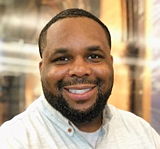
Brandon is the Executive Director of Minnesota Association for Children’s Mental Health. He specializations in Adverse Childhood Experiences (ACEs), Historical and Intergenerational trauma, Social/Emotional Intelligence (EQ), Leadership, and Diversity, Equity, and Inclusion. Brandon holds a B.A. in Sociology from the University of Minnesota, a Masters in Community Psychology from Metropolitan State University, and a Masters in Adlerian Counseling and Psychotherapy (MFT) from Adler Graduate School. Brandon is Intercultural Development Inventory (IDI) Qualified Administrator. Brandon is Bush Foundation Leadership Fellow (2013) and Professor graduate and undergraduate studies. He lives by the motto of “Live life with Purpose on Purpose.”
Presenting Sessions:
Adaptive Leadership for Equity and Systems Change

Dr. Meagan Jones is a full-time core professor at the Walden University in the online Master’s in Clinical Mental Health Counseling program. Dr. Jones teaches Human Sexuality, Crisis and Trauma, Fieldwork, Basic Counseling Skills, and is also on several dissertation committees. She has been in clinical practice for over 17 years and has worked in a variety of settings including correctional counseling, intensive in-home, community mental health, and private practice. She currently owns a private practice serving both North Carolina and Virginia. Dr. Jones obtained her Doctor of Philosophy in Counselor Education and Supervision from Regent University and her Master of Arts in Clinical Counseling from Columbia International University. She is a licensed supervisor in the state of North Carolina and licensed in Virginia. She also holds an Approved Clinical Supervisor credential and a Certified Clinical Trauma Professional credential. Dr. Jones specializes in the areas of supervision, sexual trauma, crisis and trauma, and sexuality counseling. When she is not working, she enjoys traveling, cooking, fitness, being outside, crafting, and enjoying time with her family.
Presenting Sessions:
Transference, Countertransference and Boundary Setting in Supervision

Kathryn Krase, Ph.D., J.D., M.S.W., is a social worker, lawyer, researcher, educator, and expert on professional ethics. She has significant experience as a family law practitioner, social work supervisor, along with more than 20 years of experience in faculty and administrative roles in undergraduate, masters, and doctoral level social work programs in and around New York City.
Dr. Krase is the Principal Consultant for Krase Consulting, in Brooklyn, New York, where she focuses on educating mental and physical health professionals on their general legal and ethical obligations.
She is an expert on the professional reporting of suspected child maltreatment. She has authored multiple books and articles on the subject. She has years of experience consulting with government and community based organizations to develop policy & practice standards.
Presenting Sessions:
Confidentiality & the Duty to Protect

Francisca F. Mix, MA, LPC, ACS, BC-DMT is a seasoned clinician, educator, and consultant with over 20 years of experience guiding mental health professionals in the areas of embodied healing, clinical supervision, and leadership development. She is a Board-Certified Dance/Movement Therapist (BC-DMT), Licensed Professional Counselor, and Approved Clinical Supervisor (ACS), known for her integrative and relational approach to professional growth.
Blending somatic wisdom with clinical rigor, Francisca has helped shape the professional development of clinicians throughout Colorado. Among the first trainers to offer the Approved Clinical Supervisor program in the state, she played a key role in raising supervision standards and advancing ethical, embodied leadership in clinical practice.
Francisca continues to influence the next generation of mental health leaders through her consulting work, innovative training programs, and unwavering dedication to building a more confident, connected, and sustainable counseling profession.
Presenting Sessions:
Ethical Gatekeeping: Knowing When Support Ends and Accountability Begins

Sophie Nathenson is a Medical Sociologist, professor, and consultant based in Portland, Oregon. She is a coach for Ohio State’s Innovation Fellowship, and is the Director of the Master of Healthcare Leadership program at Oregon Tech. Her company, Widespread Wellness Consulting, provides career mentorship and education for individuals and groups working on promoting social, physical, emotional, and mental wellbeing.
Presenting Sessions:
From Research to Practice: Social Media, AI, and Structural Influences on Mental Health

Dr. Brittany Nwachuku, LCSW, LISW-S, is an Assistant Professor of Social Work with extensive experience in medical and mental health settings. She has clinical experience working with diverse populations, including juvenile probation, foster care youth, school social work, private practice, and oncology healthcare settings.
In addition to providing clinical and administrative supervision to social work students, interns, and professionals, Dr. Nwachuku has facilitated a wide range of support groups, educational lectures, and professional development for staff on best practices for diverse and underserved patient populations.
Dr. Nwachuku is a member of the executive committee for the Council on the Role and Status of Women (CORSW) at the Council on Social Work Education (CSWE) and serves on the advisory council for She’s the First. She is actively involved in Delta Sigma Theta Sorority, Incorporated, where she serves on her chapter’s executive board and the program development committee for Stewart's Cancer Place. Additionally, she has obtained a certificate in women’s leadership from Yale University and is a Qualified Administrator (QA) of the Intercultural Development Inventory (IDI). Her research focuses on equity and inclusion, psychosocial oncology care, grief and bereavement, and women's health disparities.
Dr. Nwachuku stresses the importance of self-care and taking proactive steps to maintain a good quality of life. In her free time, she enjoys being a "boy mom", reading, spending time with friends and family, traveling with her husband, listening to music, and laughing uncontrollably.
Presenting Sessions:
Is Diversity Training Enough? Cultivating Critical Consciousness in Clinical Practice

Frederic Reamer is professor in the graduate program, School of Social Work, Rhode Island College, where he has been on the faculty since 1983. His teaching and research focus on professional ethics, criminal justice, mental health, health care, and public policy. Dr. Reamer received his Ph.D. from the University of Chicago and has served as a social worker in correctional and mental health settings. He chaired the national task force that wrote the Code of Ethics adopted by the National Association of Social Workers in 1996 and recently served on the code revision task force. Dr. Reamer also chaired the national task force sponsored by the National Association of Social Workers, Association of Social Work Boards, Council on Social Work Education, and Clinical Social Work Association that developed technology standards for the profession. Dr. Reamer has lectured nationally and internationally on social work and professional ethics.
Presenting Sessions:
Complex Ethics Challenges in Behavioral Health: Decision Making and Risk Management Protocols
Policies
If a grievance arises pertaining to your participation in our continuing education activities, please contact our support team immediately. See our full grievance policy for more information.
ADA accommodations will be made in accordance with the law; please indicate your special needs when you register by contacting us.
Up to 30 days prior to the event, live event registrations may be canceled for a refund via the current courses tab in your member account. Less than 30 days prior to the event, live event registration purchases are not eligible for a refund, but can be transferred to a different event. Please contact our support team for assistance with changing your registration.
-
This is a live event, hosted via Zoom Webinar. you may be prompted to download or upgrade your Zoom app if using a mobile device. A strong WiFi/internet connection will be required for best quality.
-
We recommend clicking your "Join Webinar" button early and checking that your speakers are on before the event begins. Please do not worry about being seen or heard! Attendee video feeds and mics are turned off by default when entering a webinar. You will be able to ask questions via the Q&A feature. You may test your Zoom connection prior to the event at the Zoom Test page .
-
Please respect that no copying, recording, or distribution of live session content is allowed.
We report all course and event completions to CE Broker. If your licensing board uses CE Broker for CE tracking, please be sure to enter your correct license information in your account.
If you need to cancel your registration for a webinar, please contact our support team for assistance prior to the event. Please note our refund policy, above.
If the activity must be cancelled by the provider, all attendees will receive an email notifying them of the cancellation. The email will also provide details about transferring the registration to another educational activity or receiving a refund of the registration fee. As always, you can contact our support team if you have questions or concerns.
Frequently Asked Questions
Once you register, you'll receive an email with the link and instructions to join the live event. The event will be hosted via Zoom. You may test your Zoom connection prior to the event at the Zoom Test page We recommend logging in 10-15 minutes early to be sure your connection is ready.
Most live events are recorded and made available to registered participants for a limited time after the event. Check your event materials for specific details about recording availability.
Certificates for live events are typically available within shortly after the event concludes, as soon as attendance verification is completed. You'll receive an email notification when your certificate is ready to download.
If the event is recorded, you may be able to access the recording after the live session. Contact support for information about makeup options for your specific event.
If you need to withdraw 30 or more days before the event, you can do this your self from your current courses tab.