Rehabilitation on Advanced Cardiopulmonary Support
ECMO, LVADs, and Transplant Pathways

"Sometimes our goal is not simply adding days to life, but adding life to those days."
104602 Rehabilitation on Advanced Cardiopulmonary Support: ECMO, LVADs, and Transplant Pathways
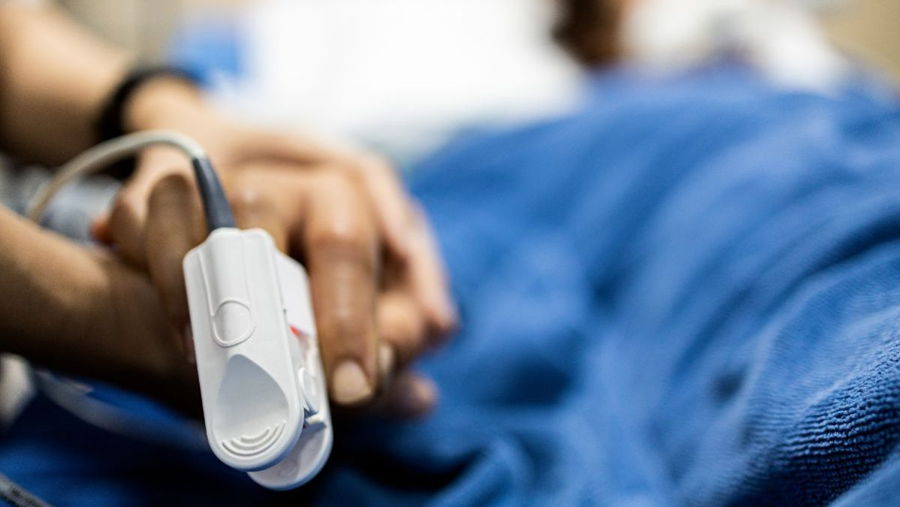
Advances in cardiopulmonary support technologies—including extracorporeal membrane oxygenation (ECMO), left ventricular assist devices (LVADs), and heart transplantation—have transformed survival for patients with advanced cardiac and pulmonary failure. As a result, rehabilitation professionals are increasingly managing patients across the continuum who are supported by these complex therapies, often while critically ill. These patients present with unique physiologic challenges, including altered hemodynamics,...
Entering the CVICU room of a patient supported by extracorporeal membrane oxygenation (ECMO), the mass of equipment and constant beeping can be overwhelming. An ECMO circuit, CRRT, a ventilator, six IV pumps, chest tubes, arterial line, Swan-Ganz catheter, Foley catheter, rectal tube, nasogastric tube; the room itself can feel intimidating before you ever reach the bedside.
For many new clinicians, the equipment is the first thing they notice. Sometimes the patient is the last.
After many years practicing in a cardiothoracic ICU and helping develop an ECMO mobility program, what I see first is something different: the physiology.
I see a person fighting for life while modern medicine temporarily supports failing organs and buys the body time to heal. I see lungs resting, a heart being unloaded, kidneys being supported, and circulation being maintained. I also see one organ system that is frequently overlooked: the skeletal muscles.
While every other failing organ receives focused medical attention, skeletal muscle is often left to the rehabilitation team, sometimes viewed as something to address after the patient survives rather than during the critical illness itself. Yet muscle is one of the body's largest metabolic organs. When active, it influences glucose regulation, inflammatory signaling, mitochondrial function, and overall physiologic recovery.(1) Exercise is not simply rehabilitation after critical illness, it can become part of the treatment of critical illness itself.
This perspective didn't develop overnight. Like many clinicians, I progressed through distinct stages of clinical growth that changed the way I approach patients receiving advanced cardiopulmonary support.
Stage One: Seeing the Device
When I teach DPT students about lines and tubes early in their education, their greatest fear is almost always accidentally dislodging something. Their concern is understandable, they don't want to harm the patient or cause additional pain through accidental removal or reinsertion of a line or tube.
What they often haven't yet learned is to ask what each device is actually doing for the patient.
ECMO is perhaps the best example of this progression. Large, garden hose-sized cannulas circulate a patient's entire blood volume every few minutes through a machine where oxygen is added, carbon dioxide is removed, and blood is returned to strategically support the lungs, heart, or both. It is an incredible feat of engineering and medicine.
Yet most clinicians new to ECMO are focused primarily on one question: What if I dislodge the cannula?
That fear is reasonable, but experience gradually shifts your perspective. You begin to realize that prolonged immobility often poses a greater threat to recovery than carefully planned, appropriately executed movement.
Confidence develops by understanding how the equipment is secured, verifying sutures and securement devices before mobilization, testing movement safely in bed, and following established safety recommendations such as those outlined in the ELSO mobilization guidelines.(2) Knowledge reduces fear, and preparation creates confidence.
Stage Two: Asking Better Questions
Once clinicians become comfortable working around the equipment, a different question emerges.
Instead of asking, "Can I mobilize this patient?"
Expert clinicians begin asking, "How should I mobilize this patient today?"
The distinction is subtle but profound.
Mobility should not be viewed as something that begins after medical stabilization. Rather, the patient's rehabilitation plan should progress alongside the medical plan of care. In many cases, the best outcomes occur when rehabilitation professionals actively participate in interdisciplinary decision-making instead of waiting for permission to begin. (3-5)
Advocating for sedation weaning, participating in discussions about spontaneous awakening trials, introducing early cognitive engagement, and initiating progressive exercise are not separate from critical care, they are part of critical care. (6, 7)
As rehabilitation professionals, we are the specialists responsible for preserving the body's largest metabolic organ while every other organ system is being medically supported.
104649 Stem Cells, PRP, and Beyond: A Rehabilitation Professional's Guide to Regenerative Medicine
From platelet-rich plasma to stem cell therapies to viscosupplementation, non-surgical treatment options for osteoarthritis and tendinopathies are becoming increasingly common. As a rehabilitation professional, you do not need to administer these treatments, but you do need to understand them. Knowing what your patients have received, what the evidence says, and how to guide their rehabilitation around these interventions is quickly...
Stage Three: Seeing Exercise as Treatment
Perhaps the greatest shift in my own clinical thinking occurred when I stopped viewing exercise solely as a means of restoring function and started recognizing it as a physiologic intervention.
We often discuss mobility in terms of discharge outcomes: walking farther, climbing stairs, or returning home instead of to a rehabilitation facility.
Those outcomes matter tremendously.
But they are not the only reasons movement matters.
Active muscle influences insulin sensitivity, glucose uptake, inflammatory regulation, vascular function, and metabolic homeostasis. Although research in critically ill ECMO populations continues to evolve, the conversation is beginning to shift beyond simply asking whether mobilization is safe or feasible.
Instead, we should also ask what physiologic opportunities are lost when patients remain inactive throughout prolonged critical illness.
The existing evidence does not always demonstrate shorter ECMO runs or improved survival. Given the complexity of this patient population, those questions are extraordinarily difficult to answer. However, emerging literature increasingly supports meaningful improvements in functional recovery, discharge disposition, and quality of life.(8, 9)
Sometimes our goal is not simply adding days to life, but adding life to those days
Seeing the Patient First
One patient continues to shape how I think about rehabilitation in the ICU.
A 24-year-old nurse was admitted with necrotizing pneumonitis secondary to MSSA bacteremia after what initially appeared to be a routine cortisone injection for her shoulder. Following weeks of mechanical ventilation, deep sedation, CRRT, and worsening respiratory failure, she was placed on ECMO. Her lungs had deteriorated to the point that lung transplantation became a realistic consideration.
To qualify for transplantation, she would need to actively participate in physical and occupational therapy and ultimately demonstrate the ability to ambulate. Her rehabilitation began long before anyone expected her to walk.
Initially, therapy consisted of creative solutions to safely mobilize around femoral cannulas using a tilt-in-space standing bed. As her medical condition improved, therapy progressed to sitting, standing, strengthening, and eventually increasingly longer walks through the ICU. The original goal for the transplant team had been walking within two weeks. It ultimately took closer to two months.
Something remarkable happened during that process. As her functional capacity improved, her lungs improved as well. She was liberated from the ventilator, decannulated from ECMO, and ultimately recovered without requiring lung transplantation. I won't suggest that exercise is a miracle drug. It isn't. But exercise is one of the most powerful therapeutic tools rehabilitation professionals possess, particularly when applied thoughtfully during critical illness. For patients receiving ECMO, mechanical circulatory support, LVAD placement, or awaiting transplantation, our role extends beyond helping them recover after survival, we have the opportunity to contribute to the recovery process itself.
By the time many patients require advanced cardiopulmonary support, the worst has already happened. Our responsibility is no longer simply to avoid every conceivable risk. It is to thoughtfully balance risk with the opportunity to preserve strength, independence, and quality of life.
Expert clinicians eventually stop seeing the device first.
They learn to see the physiology, and most importantly, the person fighting behind it. ◼
Want to make the most of everything Impact CE has to offer?
The Ignite Membership unlocks unlimited live webinars, hundreds of self-paced courses, a growing library of recorded content, and free e-library access — all in one place, for one low annual price. Learn more about Ignite today.
References
1) Lees MJ, Prado CM, Wischmeyer PE, Phillips SM. Skeletal Muscle: A Critical Organ for Survival and Recovery in Critical Illness. Crit Care Clin. 2025 Apr;41(2):299-312. doi: 10.1016/j.ccc.2024.08.011. Epub 2024 Oct 3. PMID: 40021281.
2) Ramsey S, Shehatta AL, Ramanathan K, Shekar K, Brodie D, Diaz R, Roberts A, Cruz S, Hodgson C, Zakhary B. Extracorporeal Life Support Organization 2024 Guideline for Early Rehabilitation or Mobilization of Adult Patients on Extracorporeal Membrane Oxygenation. ASAIO J. 2025 Mar 1;71(3):187-199. doi: 10.1097/MAT.0000000000002375. Epub 2025 Jan 30. PMID: 39883803.
3) Jang JH, Choi E, Son E, Yoon SH, Seol HY, Lee SE, Cho WH, Jeon D, Kim YS, Yeo HJ. Rehabilitation during extracorporeal membrane oxygenation: bridging the gap between life support and functional recovery. Acute Crit Care. 2026 Feb;41(1):12-32. doi: 10.4266/acc.003250. Epub 2026 Feb 27. PMID: 41834632; PMCID: PMC12989937.
4) Kanellou V, Kaliarntas K, Dounavi DM, Patsaki I, Kalpaxis D, Kourek C, Dimopoulos S. Early mobilization in patients on venoarterial extracorporeal membrane oxygenation: A scoping review. World J Cardiol. 2025 Aug 26;17(8):107811. doi: 10.4330/wjc.v17.i8.107811. PMID: 40949940; PMCID: PMC12426996.
5) Chatziefstratiou AA, Fotos NV, Giakoumidakis K, Brokalaki H. The Early Mobilization of Patients on Extracorporeal Membrane Oxygenation: A Systematic Review. Nurs Rep. 2023 Apr 25;13(2):751-764. doi: 10.3390/nursrep13020066. PMID: 37218947; PMCID: PMC10204448.
6) Tonna JE, Bailey M, Abrams D, Brodie D, Hodgson CL. Predictors of early mobilization in patients requiring VV ECMO for greater than 7 days: An international cohort study. Heart Lung. 2023 Nov-Dec;62:57-63. doi: 10.1016/j.hrtlng.2023.05.022. Epub 2023 Jun 12. PMID: 37311360; PMCID: PMC10592536.
7) Li Z, Chen W, Li C, Qiu G, Duan W, Chen S, Pei M, Zeng B, Deng X, Hou X, Lyu L. Early metabolic trajectory and sedation strategy in V-V ECMO for severe pneumonia: a multicenter cohort study. Ann Med. 2026 Dec;58(1):2694134. doi: 10.1080/07853890.2026.2694134. Epub 2026 Jun 30. PMID: 42374899.
8) Zalesky CC, Whitlock K, Krieger B, Sharp JJ, Geyer ED, Dave S, Boorman DW, Creel-Bulos C. Jump On It! The Association of Physical Therapy Timing and Frequency With Functional Outcomes in Patients Supported With Extracorporeal Membrane Oxygenation: A Single-Center Retrospective Study. Crit Care Explor. 2025 Sep 11;7(9):e1307. doi: 10.1097/CCE.0000000000001307. PMID: 40932702; PMCID: PMC12431764.
9) Ortuno S, Bachelet D, Varnet O, Tridon C, de Montmollin E, Dessajan J, Thy M, Para M, Bouadma L, Timsit JF, Peoc'h K, Sonneville R. Long-Term Functional and Quality-of-Life Outcomes in Survivors of Refractory Cardiogenic Shock Treated With Venoarterial Extracorporeal Membrane Oxygenation. Crit Care Explor. 2025 Dec 2;7(12):e1359. doi: 10.1097/CCE.0000000000001359. PMID: 41329803; PMCID: PMC12674141.
Opinions and viewpoints expressed in this article are the author's, and do not necessarily reflect those of CE Learning Systems.