On the Calendar
Observances in November
Every month, the calendar fills with moments worth pausing for.
November is especially full: Six observances take center stage this month, each speaking directly to the work of clinicians, therapists, counselors, and care providers: Men's Health Awareness, American Diabetes Month, National Family Caregivers Month, Native American Heritage Month, National Hospice and Palliative Care Month, and Lung Cancer Awareness Month. Whether you work in behavioral health, dental care, massage therapy, or physical rehabilitation, you will find a reason to pause in the paragraphs below.
November also marks Epilepsy Awareness Month, COPD Awareness Month, and Prematurity Awareness Month, three more moments that deserve a place on your radar and in your practice.
At Impact CE, we believe continuing education is a powerful tool, not just for meeting licensure requirements, but for staying attuned to the populations and challenges that define modern practice. Learning doesn't stop at a certificate; it shapes how we show up for the people who need us most.
This November, we are proud to spotlight courses that speak directly to these awareness moments, giving practitioners practical, evidence-informed tools to bring back into their work immediately.
Men's Health Awareness
Movember began in 2003 in Melbourne, Australia, when two friends decided to grow mustaches as a way to start conversations about men's health. The idea spread, and the Movember Foundation now supports work around prostate cancer, testicular cancer, and men's mental health and suicide prevention in countries around the world. Each November, the mustache remains the symbol, and the aim is the same: to get men talking, and to get them to seek care before a problem becomes a crisis.
For behavioral health clinicians, Movember is a reminder that men are often underrepresented in therapy and overrepresented in suicide statistics, and that masculine norms around stoicism can keep distress out of sight. For physical therapists, massage therapists, and dental providers, it is a reminder that a man who avoids the doctor may still show up for a back adjustment, a rehab visit, or a cleaning. Those appointments are openings for a screening question, a gentle check-in, or a referral that might not otherwise happen.

103310 People Say Men Dont Talk, Well Thats Bullshit A Focus Group Study Exploring Challenges and Opportunities for Mens Mental Health Promotion
Men's mental health promotion includes some challenges related to gender-related barriers and stigmas. This is a quantitative study focused on men's perceptions of mental health and preferences for mental heath promotion. The article proposes several directions for men's community-based mental health promotion and opportunities for how masculinity may be expanded to promote mental health values.
**This course is based on...

102581 Engaging Men in Psychological Treatment-A Scoping Review
This course examines the need to engage men in psychotherapy and improve help-seeking, given low treatment engagement and high rates of suicide. It explores: clarifying structure, building rapport and a collaborative relationship, and tailoring language, re-examining masculinity, gender and gender-bias. This course is based on the article, Engaging Men in Psychological Treatment-A Scoping Review created by Zac E. Seidler, MCP,...
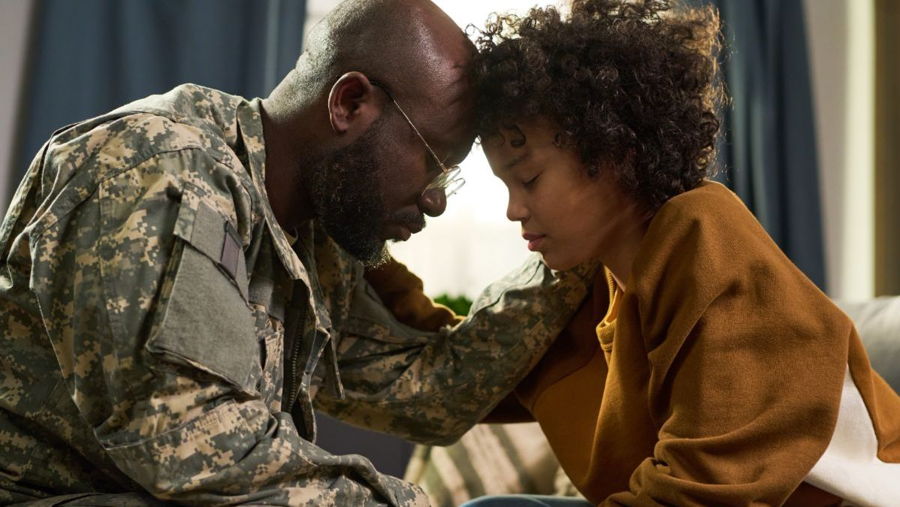
104751 Mental Health and the Military: Cultural and Clinical Considerations for Treating Veterans With PTSD and Related Conditions
This course is designed to provide an overview of military culture and how military culture impacts clinical practice with veterans and military personnel. A review of effective treatments for posttraumatic stress disorder (PTSD) and related conditions will be reviewed as well as other related clinical issues such as nightmares and insomnia. Psychological and pharmacological treatments reviewed will focus on those...
American Diabetes Month
American Diabetes Month is led by the American Diabetes Association and observed each November to raise awareness of the disease and the people affected by it. The month also builds toward World Diabetes Day on November 14, a date chosen to honor the birthday of Frederick Banting, the scientist who co-discovered insulin. World Diabetes Day was established by the International Diabetes Federation and the World Health Organization in 1991 and was later recognized by the United Nations, and its blue circle symbol now appears around the globe.
Diabetes touches every discipline in the Impact CE audience: Dental providers see its effects in manifestations like periodontal disease, delayed healing, and dry mouth, and the relationship between gum health and blood sugar runs in both directions. Physical therapists and massage professionals work with the consequences of neuropathy, circulation changes, and foot complications, and they help clients build the movement habits that support glucose management. Behavioral health clinicians also touch on this important matter, meeting the emotional side of the disease in diabetes distress, disordered eating, depression, and the daily fatigue of self-management.
104549 Rehab for Diabetes in the Modern Era
Diabetes is an ever-growing issue in the US. As therapists, we can both prevent and manage diabetes-related complications. This webinar will focus on both, identifying diabetes in patients before formal diagnosis, and we’ll learn targeted treatment for individuals with diabetes. We will explore how therapists can provide complete care to patients by addressing their lifestyle modifications, physical and cognitive well-being,...
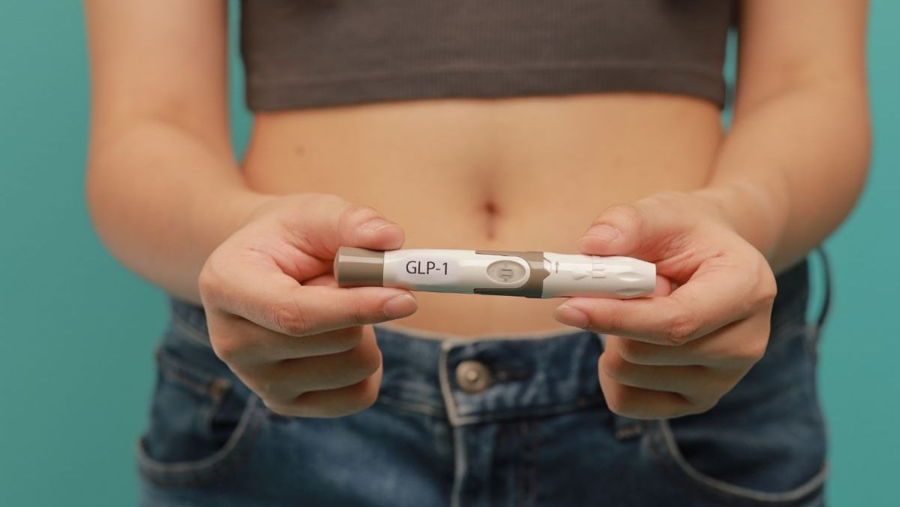
104817 GLP-1 Related Medications: Implications for Muscle Health, Strength, and Function
In this live interactive webinar, healthcare professionals will explore GLP-1–related medications used for weight management and their implications for muscle health, strength, and physical function. Participants will review FDA-approved medication options, general physiological effects, common adverse effects, precautions, and contraindications. Current evidence on body composition changes will be explored, with attention to distinguishing changes in lean body mass from changes...
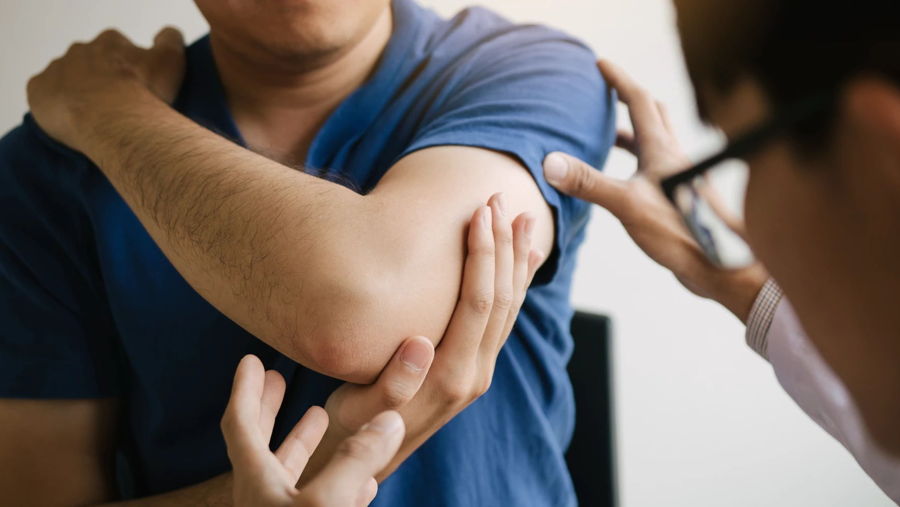
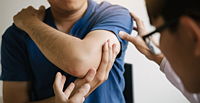
104714 Manual Approach to Neural Tension Syndromes: Neurodynamics for the Upper Extremity
Do your patients present with abnormal sensations, pain, and weakness of the upper extremity (UE) related to nerve compression or entrapment syndromes? Patients commonly undergo surgery for carpal tunnel, cubital tunnel, and radial neuropathies, when a more conservative approach may be best. Current research indicates a neurodynamic approach including manual therapy and exercise may be an effective alternative to surgery,...
National Family Caregivers Month
National Family Caregivers Month began as a grassroots effort. The Caregiver Action Network, then known as the National Family Caregivers Association, started promoting national recognition of family caregivers in 1994, and President Bill Clinton signed the first presidential proclamation in 1997. Every president since has issued one each November. The month honors the spouses, adult children, parents, siblings, and friends who provide unpaid care for someone with an illness, disability, or age-related need, often on top of work, parenting, and their own health.
For clinicians, family caregivers are both partners in the treatment plan and patients in their own right. A physical therapist teaching safe transfers, a behavioral health clinician noticing the strain in a parent's voice, a massage therapist working on shoulders held tight by months of lifting, and a dental provider seeing a caregiver who keeps postponing their own checkup are all seeing the same thing: someone running on empty. This observance is a reminder to ask how the caregiver is doing, to screen for burnout, depression, and grief, and to point them toward the support and rest that make sustainable caregiving possible.
104715 Caring for the Sickest Patients Without Burning Out: Boundaries, Bias, and Clinical Sustainability
Caring for patients with complex medical conditions, particularly those in the ICU and other high-acuity settings, requires clinicians to routinely make difficult decisions while balancing safety, function, quality of life, and system pressures. These environments place clinicians at increased risk for burnout, compassion fatigue, and moral distress, which can negatively affect clinical reasoning, team dynamics, turnover rates, and patient outcomes....
104692 Supporting Clients As They Navigate the Caregiving Journey: Tools, Tips & Resources for Clinicians
Over 60 million people are living in the United States with a disability. For individuals with juvenile-onset conditions, as well as those with acquired disabilities across the lifespan family caregivers often provide some level of care and support. Recent reports estimate that over 53 million family caregivers provide care to a loved one (National Alliance for Caregiving, 2020). Due to...

104798 Supporting Grieving Clients in Their Pain and Guilt
Pain and guilt are common experiences in grief. For some clinicians, it can feel overwhelming to support clients who are stuck in intense pain and guilt related to loss. By understanding concepts from diverse pain theories, including Terror Management Theory and the Window of Tolerance, clinicians can gain a framework for better understanding and supporting clients experiencing grief-related pain. Participants...
Native American Heritage Month
Native American Heritage Month grew out of a century of effort to give Native peoples a place on the national calendar. Dr. Arthur C. Parker, a Seneca scholar and museum director, championed the idea of an "American Indian Day" in the early 1900s, and New York observed one in 1916. Support grew over the following decades, and in 1990 President George H.W. Bush designated November as National American Indian Heritage Month. Congress later added Native American Heritage Day, observed the day after Thanksgiving. Today the month is a time to recognize the histories, languages, traditions, and ongoing contributions of American Indian and Alaska Native communities.
For physical and behavioral health practitioners, this observance is a prompt to examine how history shapes the care people receive and the care they feel safe seeking. Historical trauma, forced removal, and long-standing mistrust of health systems can all influence how a Native client approaches treatment, touch, disclosure, and follow-up. Culturally responsive care means asking before assuming, making room for traditional healing practices alongside clinical ones, and recognizing that community, family, and land are often part of what wellness means. For therapists, bodyworkers, dental providers, and rehabilitation professionals alike, humility and curiosity are clinical skills.
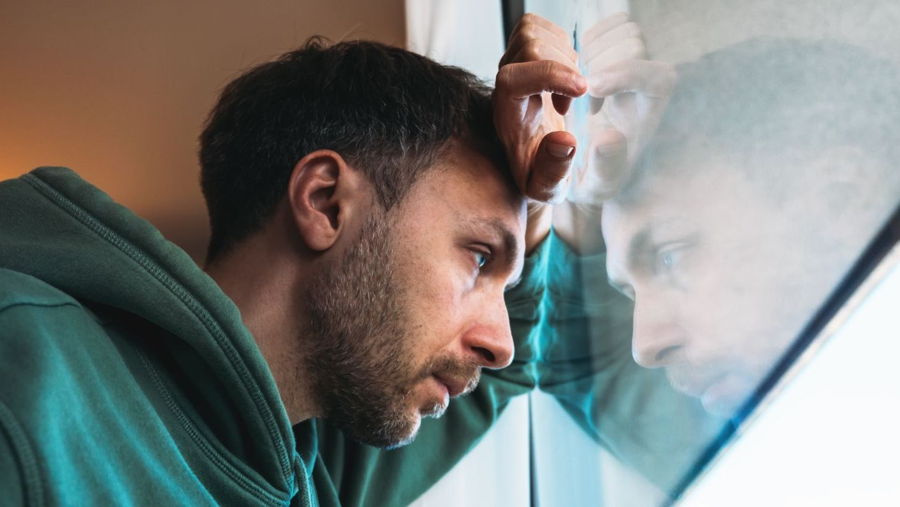
104637 New Collaborative Research on Suicide Prevention, Practice, and Policy With American Indian and Alaska Native Communities Holds Promise for All Peoples
It is well documented that American Indian and Alaska Native (AIAN) communities have suffered disproportionate rates of youth suicide and years of productive life lost compared to other U.S. Races. The National Institute of Mental Health (NIMH) recently funded three regional Collaborative Hubs to carry out suicide prevention research, practice, and policy development with AIAN communities in Alaska and rural...

103529 The Alaska Native/American Indian Experience of Hepatitis C Treatment With Sofosbuvir-based Direct-acting Antivirals
The study aims to evaluate the effectiveness of sofosbuvir-based hepatitis C treatment regimens among Alaska Native and American Indian (AN/AI) people living in Alaska, and to determine if there are any differences in treatment experience and outcomes compared to other racial and ethnic groups. The study is conducted by the Liver Disease and Hepatitis program (LDHP) at the Alaska Native...
103320 Native Spirit: Development of a Culturally Grounded After-school Program to Promote Well-being Among American Indian Adolescents
This course describes the development and implementation of a culturally grounded after school program, Native Spirit (NS), for AI adolescents (grades 7–12) living on a Southwest urban‐based reservation. The development of the Native Spirit program contributed to an Indigenous prevention science that emphasizes the positive impacts of Indigenous culture and community on health and well‐being. Recommendations are also discussed.
**This...
National Hospice and Palliative Care Month
National Hospice and Palliative Care Month is observed each November and is led by the National Hospice and Palliative Care Organization. It draws on a movement that took shape in the second half of the twentieth century, when Dame Cicely Saunders opened St. Christopher's Hospice in London in 1967 and introduced a model of care built around comfort, dignity, and attention to the whole person. Hospice programs began appearing in the United States in the 1970s, and palliative care has since grown into a field that supports people at any stage of a serious illness, not only at the end of life.
For practitioners, this month is a chance to reconsider what good care looks like when cure is no longer the goal. Massage therapists and physical and occupational therapists bring comfort, mobility, and dignity to people with advanced illness. Behavioral health clinicians support patients and families through fear, anticipatory grief, and bereavement. Dental providers help preserve comfort and the simple ability to eat and speak. Across every discipline, palliative thinking asks the same question: what matters most to this person right now?

102718 Death As a Part of Life
This course will explore issues affecting end-of-life care decisions: culture, health literacy, family dynamics, medical advances, ethics and the dichotomy of prolonging life vs. quality of life. Hospice, Advance Directives, palliative care, and current health insurance issues will be also be discussed.
**This course is based on the reading online article, Death As a Part of Life created by Jane...

103008 End-of-Life Care and Bereavement Issues in HIV/AIDS
This review addresses end-of-life care issues characterizing HIV progression by delineating associated stages of medical and nursing care. Progression from the stage of primary medical and nursing care aimed at functional cure to the stage of palliative care is depicted first. This transition is considered in accord with the major symptoms experienced − fatigue, pain, insomnia, decreased libido/hypogonadism, decreased memory...
Lung Cancer Awareness Month
Lung Cancer Awareness Month is observed each November to draw attention to the disease that causes more cancer deaths in the United States than any other. Its message has several parts: early detection through screening for those at higher risk, better support for people living with the disease, and the reality that anyone with lungs can develop lung cancer, including people who have never smoked. The month overlaps with the Great American Smokeout, an annual event dating to the 1970s that falls on the third Thursday of November and encourages people to take a first step toward quitting tobacco.
The connections to practice are many. Dental providers are often among the first to notice tobacco use and are well placed to start a cessation conversation. Behavioral health clinicians support clients through nicotine dependence, the anxiety and depression that accompany a diagnosis, and the stigma that people with lung cancer frequently feel. Physical therapists play a central role in pulmonary rehabilitation and in rebuilding endurance during and after treatment, and massage therapists help clients manage the pain, tension, and fatigue that treatment can bring.
.jpg)
104458 Diaphragm Rehabilitation for Cardiopulmonary Patients After Mechanical Ventilation
This course is designed as a handy reference towards learning and refreshing the anatomy of diaphragm. It will also highlight the clinical relevance of strength and function of the diaphragm as a core stabilizer and its role as a thoracoabdominal pump. This course will walk through the positive effects of diaphragmatic breathing which is integral for both mental and physical...
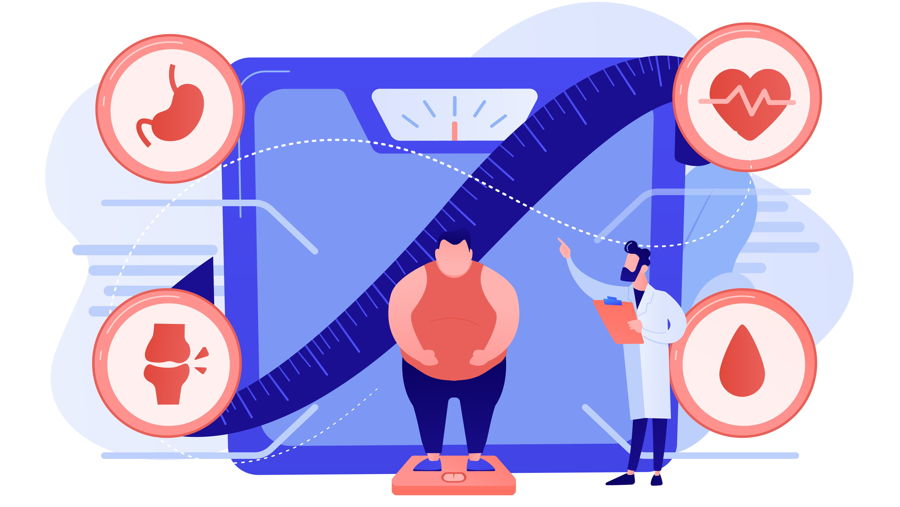
104448 A Therapist's Guide to Bariatric Manual Handling
Obesity is all too common in the U.S. A survey conducted by the CDC in 2018 revealed the prevalence of obesity increased from 30.5% to 42.4% from 1999–2018. During the same time, the prevalence of severe obesity increased from 4.7% to 9.2%. Healthcare workers experience one of the highest rates of musculoskeletal disorders worldwide, with 46% of nursing assistants reporting...
Want to make the most of everything Impact CE has to offer?
The Ignite Membership unlocks Premium events and Masterclasses, Unlimited Live Webinars, Hundreds of Self-Paced Courses, a Growing Library of Recorded Content, and Free E-Library access — all in one place, for one low annual price. Learn more about Ignite today.