Strain-Counterstrain Positional Release Techniques for Painful Muscle Tension and Trigger Points
Live Event

Strain-Counterstrain Positional Release Techniques for Painful Muscle Tension and Trigger Points

Thu, Apr 10th, 2025
6:30pm – 8:30pm US Eastern Time
Skip to Event Registration Info

About the Event

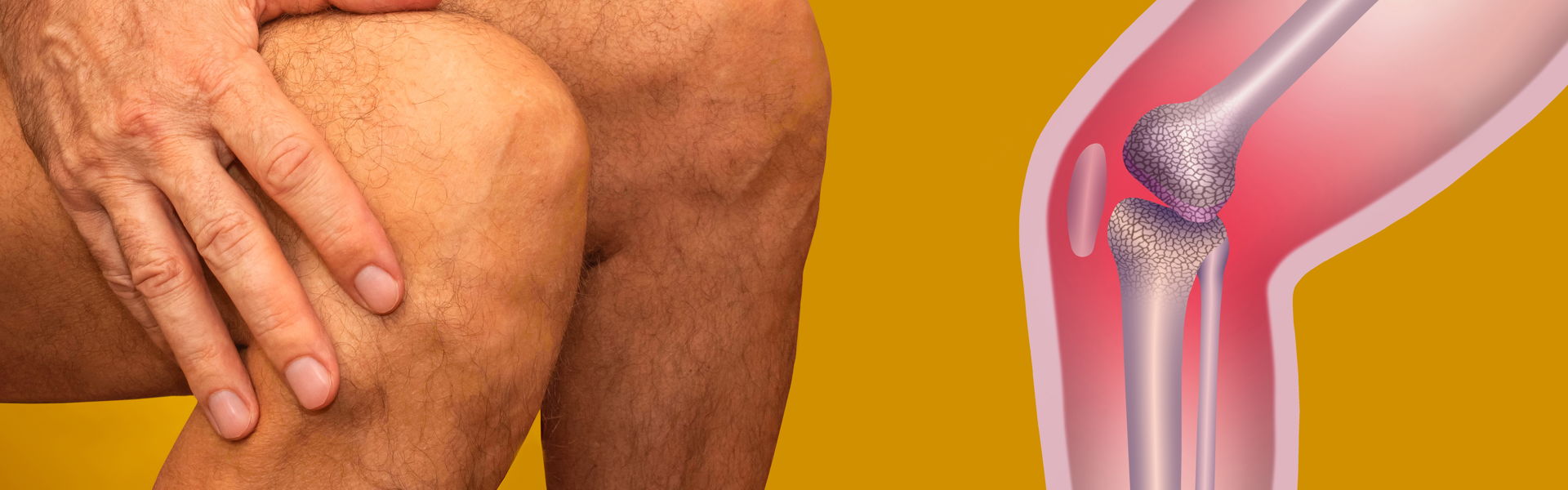
This is a live interactive webinar on Strain-Counterstrain and Positional Release Therapy (PRT), techniques that have been shown to be highly effective for reducing painful trigger points (TPs) and chronic musculoskeletal (MSK) pain. Did you know that between 20-33% of people around the world suffer from MSK pain, with low back, neck, knee, and shoulder pain being the most prevalent conditions? Unfortunately, the rising costs of medical treatment have led to overuse of imaging studies, dangerous opioid drugs, and surgery, resulting in time lost from work and a diminished quality of life.

You will discover how gentle positioning techniques, based on the Strain-Counterstrain principles developed by Dr. Lawrence Jones, DO, can help you identify and address chronic MSK pain associated with TPs. By exploring the neurophysiological reflexes that modulate muscle tension and using those reflexes to release tension and pain with little effort, you can reduce painful TPs and improve mobility and function. Best of all, the techniques you'll learn can often alleviate pain in less than two minutes.

You will learn specific positional releases and reflexes that modulate muscle tension, allowing you to rapidly relieve painful TPs and tension. By the end of this webinar, you will be able to integrate PRT into your plan of care, delighting your clients with your newfound expertise while saving your hands in the process. So, let's get started and explore the world of PRT together!

Live Event
This live online event will be held as a Zoom Webinar. Attendees will have the option to interact through features such as the Chat and Q&A, but cameras and microphones will not be enabled.

Live Event Instructor

Theresa Schmidt

Theresa Schmidt

Dr. Theresa Schmidt PT, DPT, OCS, LMT, CEAS of Educise.com is an Orthopedic Certified Specialist PT, Expert Consultant, educator, massage therapist, hypnotherapist and author in private practice at Educise PC Health & Wellness in NH. She is a Clinical Specialist in the Pain program at New Hampshire VA. She received her DPT at UNE., served as faculty in PT and massage programs and presented for International Fascia Research Congress, APTA, AMTA, AOTA, NASA, Johns Hopkins, and Cleveland Clinics. She focuses on hands-on natural solutions to pain and mobility problems integrating manual therapy, precision exercise, functional training and alternative medicine approaches. Her engaging seminars inspire clinicians with practical tools they can apply immediately for measurable results clients rave about.

Target Audience

This live interactive webinar is intended for Physical Therapists, Physical Therapy Assistants, Occupational Therapists, Occupational Therapy Assistants, Chiropractors, and Massage Therapists. (PT, PTA, OT, COTA, DC, LMT)

Learning Objectives

After taking this activity, you should be able to:

  1. 1 Discuss the etiology and assessment of myofascial trigger points.
  2. 2 Identify trigger points (TPs) and areas of abnormal musculoskeletal tension to document their effect on mobility and function.
  3. 3 Evaluate the neurophysiological basis and evidence-based research for positional release technique (PRT)/ Strain-counterstrain (SCS).
  4. 4 Apply at least 2 specific positioning interventions to rapidly reduce the painful sensitivity of TPs, release abnormal neuromuscular tension and improve functional mobility.

Abdelhaleem, M.D., Abdallah, E.A., Neamat Allah, N.H. et al. (2022). Effect of simultaneous application of positional release technique and Maitland mobilization technique on sciatica: a randomized controlled trial. Bull Fac Phys Ther, 27, 29. https://doi.org/10.1186/s43161-022-00089-5

Aly, M. F., Youssef, A. M., Sabor, A., & Nadim, A. A. A. (2017). Effect of Myofascial Trigger Point Release on Pelvic Pain in Pudendal Nerve Entrapment: A Single Blind Randomized Controlled Trial. Journal of Pharmaceutical and Phytopharmacological Research, 7(1), 22-25.

Amini, A., Goljaryan, S., Shakouri, S. K., & Mohammadimajd, E. (2017). The Effects of Manual Passive Muscle Shortening and Positional Release Therapy on Latent Myofascial Trigger Points of the Upper Trapezius: A Double-Blind Randomized Clinical Trial. Iranian Red Crescent Medical Journal, 19(9).

Blanco, C. R., de las Peñas, C. F., Xumet, J. E. H., Algaba, C. P., Rabadán, M. F., & de la Quintana, M. C. L. (2006). Changes in active mouth opening following a single treatment of latent myofascial trigger points in the masseter muscle involving post-isometric relaxation or strain/counterstrain. Journal of Bodywork and Movement Therapies, 10(3), 197-205.

Collins, C. K. (2007). Physical therapy management of complex regional pain syndrome I in a 14-year-old patient using strain counterstrain: a case report. Journal of Manual & Manipulative Therapy, 15(1), 25-41.

D'Ambrogio, K. J., & Roth, G. B. (1997). Positional release therapy: Assessment & treatment of musculoskeletal dysfunction. Mosby Incorporated.

Danto, J. B. (2003). Review of integrated neuromusculoskeletal release and the novel application of a segmental anterior/posterior approach in the thoracic, lumbar, and sacral regions. Journal of the American Osteopathic Association, 103(12), 583.

Dardzinski, J. A., Ostrov, B. E., & Hamann, L. S. (2000). Myofascial pain unresponsive to standard treatment: successful use of a strain and counterstrain technique with physical therapy. Journal of clinical rheumatology: practical reports on rheumatic & musculoskeletal diseases, 6(4), 169-174.

DiGiovanna, Eileen, D.O., & Schiowitz, D.O. (1991). An Osteopathic Approach To Diagnosis And Treatment. Philadelphia, Pennsylvania: J.B. Lippincott Company.

El-Khateeb YS, Mahmoud AG, Mohamed MH, Abd El-Azeim AS. (2022). Influence of adding strain-counterstrain to standard therapy on axioscapular muscles amplitude and fatigue in mechanical neck pain: a single-blind, randomized trial. European Journal of Physical and Rehabilitation Medicine, 58(4), 621-629. https://doi.org/10.23736/s1973-9087.22.07194-5

El-Tallawy, S. N., Nalamasu, R., Salem, G. I., LeQuang, J. A. K., Pergolizzi, J. V., & Christo, P. J. (2021). Management of musculoskeletal pain: An update with emphasis on chronic musculoskeletal pain. Pain Therapy, 10(1), 181-209. https://doi.org/10.1007/s40122-021-00235-2

Fereira, O. A., & Satralkar, A. (2017). Effectiveness of strain counterstrain technique and neural tissue mobilisation on cervicogenic headache. Indian Journal of Physiotherapy & Occupational Therapy, 11(3), 73-78.

Giamberardino, M. A., Affaitati, G., Fabrizio, A., & Costantini, R. (2011). Effects of treatment of myofascial trigger points on the pain of fibromyalgia. Current Pain and Headache Reports, 15(5), 393-399.

González-Ravé, J. M., Sánchez-Gómez, A., & Santos-García, D. J. (2012). Efficacy of two different stretch training programs (passive vs. proprioceptive neuromuscular facilitation) on shoulder and hip range of motion in older people. The Journal of Strength & Conditioning Research, 26(4), 1045-1051. https://doi.org/10.1519/JSC.0b013e31822e5928

Greenman, P. (1996). Principles of manual medicine. Williams and Wilkins.

Hanten, W. P., Olson, S. L., Butts, N. L., & Nowicki, A. L. (2000). Effectiveness of a home program of ischemic pressure followed by sustained stretch for treatment of myofascial trigger points. Physical Therapy, 80(10), 997-1003. https://doi.org/10.1093/ptj/80.10.997

Headley, B. (n.d.). Myofascial exams and biofeedback: Can emg validate trigger points? Innovative Systems.

Hong, C. Z., & Simons, D. G. (1998). Pathophysiologic and electrophysiologic mechanisms of myofascial trigger points. Archives of Physical Medicine and Rehabilitation, 79(7), 863-872. https://doi.org/10.1016/s0003-9993(98)90167-6

Hou, C. R., Tsai, L. C., Cheng, K. F., Chung, K. C., & Hong, C. Z. (2002). Immediate effects of various physical therapeutic modalities on cervical myofascial pain and trigger-point sensitivity. Archives of Physical Medicine and Rehabilitation, 83(10), 1406-1414. https://doi.org/10.1053/apmr.2002.35473

Howell, J. N., Cabell, K. S., Chila, A. G., & Eland, D. C. (2006). Stretch reflex and Hoffmann reflex responses to osteopathic manipulative treatment in subjects with Achilles tendinitis. The Journal of the American Osteopathic Association, 106(9), 537-545. https://doi.org/10.7556/jaoa.2006.106.9.537

Hsieh, C. Y. J., Hong, C. Z., Adams, A. H., Platt, K. J., Danielson, C. D., Hoehler, F. K., & Tobis, J. S. (2000). Interexaminer reliability of the palpation of trigger points in the trunk and lower limb muscles. Archives of Physical Medicine and Rehabilitation, 81(3), 258-264. https://doi.org/10.1016/s0003-9993(00)90213-0

Ibáñez-García, J., Alburquerque-Sendín, F., Rodríguez-Blanco, C., Girao, D., Atienza-Meseguer, A., Planella-Abella, S., & Fernández-de-las Peñas, C. (2009). Changes in masseter muscle trigger points following strain-counterstrain or neuro-muscular technique. Journal of Bodywork and Movement Therapies, 13(1), 2-10. https://doi.org/10.1016/j.jbmt.2007.12.002

Jones, L. H. (1983). Strain and Counterstrain. American Academy of Osteopathy.

Kojidi, M. M., Okhovatian, F., Rahimi, A., Baghban, A. A., & Azimi, H. (2016). The influence of Positional Release Therapy on the myofascial trigger points of the upper trapezius muscle in computer users. Journal of Bodywork and Movement Therapies, 20(4), 767-773. https://doi.org/10.1016/j.jbmt.2016.03.002

Korr, I. (1975). Proprioceptors and somatic dysfunction. Journal of the American Osteopathic Association, 75, 123-135.

Korr, I. (1947). The neural basis for the osteopathic lesion. Journal of the American Osteopathic Association, 47, 191-198.

Kuan, T. S., Hong, C. Z., Chen, J. T., Chen, S. M., & Chien, C. H. (2007). The spinal cord connections of the myofascial trigger spots. European Journal of Pain, 11(6), 624-634. https://doi.org/10.1016/j.ejpain.2006.12.009

Lewis, C., & Flynn, T. W. (2001). The use of strain-counterstrain in the treatment of patients with low back pain. Journal of Manual & Manipulative Therapy, 9(2), 92-98. https://doi.org/10.1179/106698101790826988

Lewis, C., Khan, A., Souvlis, T., & Sterling, M. (2010). A randomized controlled study examining the short-term effects of Strain-Counterstrain treatment on quantitative sensory measures at digitally tender points in the low back. Manual Therapy, 15(6), 536-541. https://doi.org/10.1016/j.math.2010.06.

Marzieh, M. K., Farshad, O., Abbas, R., & Alireza, A. B. (2017). Effects of active and positional release techniques on musculoskeletal disorders: A review of the literature. Scientific Journal of Rehabilitation Medicine, 5(4), 290-301. http://www.sid.ir/En/Journal/ViewPaper.aspx?ID=536136

Meseguer, A. A., Fernández-de-las-Peñas, C., Navarro-Poza, J. L., Rodríguez-Blanco, C., & Gandia, J. J. B. (2006). Immediate effects of the strain/counterstrain technique in local pain evoked by tender points in the upper trapezius muscle. Clinical Chiropractic, 9(3), 112-118.

Moraska, A. F., Hickner, R. C., Kohrt, W. M., & Brewer, A. (2013). Changes in blood flow and cellular metabolism at a myofascial trigger point with trigger point release (ischemic compression): A proof-of-principle pilot study. Archives of Physical Medicine and Rehabilitation, 94(1), 196-200.

Nagrale, A. V., Glynn, P., Joshi, A., & Ramteke, G. (2010). The efficacy of an integrated neuromuscular inhibition technique on upper trapezius trigger points in subjects with non-specific neck pain: A randomized controlled trial. Journal of Manual & Manipulative Therapy, 18(1), 37-43.

Pawar, P. A., Tople, R. U., Yeole, U. L., Gharote, G. M., Panse, R. B., & Kulkarni, S. A. (2017). A study on the effect of strain-counterstrain in plantar fasciitis. International Journal of Advances in Medicine, 4(2), 551-555.

Rachlin, E. S., & Rachlin, I. S. (2002). Myofascial pain and fibromyalgia: Trigger point management. Mosby Inc.

Saadat, Z., Hemmati, L., Pirouzi, S., Ataollahi, M., & Ali-mohammadi, F. (2018). Effects of integrated neuromuscular inhibition technique on pain threshold and pain intensity in patients with upper trapezius trigger points. Journal of Bodywork and Movement Therapies, 22(1), 204-208. https://doi.org/10.1016/j.jbmt.2017.05.007

Schmidt, T., & Kraemer, T. (2016). Effects of strain/counter strain on cervical pain & disability: A case report. MOJ Orthopedics & Rheumatology, 5(5), 00193. https://doi.org/10.15406/mojor.2016.05.00193

Shetty, D., Srivastava, S., & Mittal, H. (2022). Positional release therapy and its application in various musculoskeletal conditions: A review of literature. Journal of Pharmaceutical Negative Results, 13(S08), 3629-3634. https://doi.org/10.47750/pnr.2022.13.S08.450

Shipton, B., Sagar, S., & Mall, J. K. (2023). Trigger point management. American Family Physician, 107(2), 159-164. PMID: 36791442.

Speicher, T., Draper, D. O., & Draper, D. O. (2006). Therapeutic modalities. Top 10 positional-release therapy techniques to break the chain of pain, part 2. Athletic Therapy Today, 11(6), 56-58.

Travell, J. G., & Simons, D. G. (1983). Myofascial pain and dysfunction: the trigger point manual (Vol. 2). Lippincott Williams & Wilkins.

Vispute, S., & Kumar, N. A. C. (2022). Comparative Study of Immediate Effects of Myofascial Release Technique and Positional Release Technique on Trapezitis among the College Student. International Journal of Physiotherapy Research, 10(3), 4243-4249. ISSN 2321-1822.

World Health Organization. (2020). Musculoskeletal Conditions. Retrieved from https://www.who.int/news-room/fact-sheets/detail/musculoskeletal-conditions. Published 2019. Accessed July 17, 2020.

Wong, C. K., & Schauer, C. (2004). Reliability, validity and effectiveness of strain counterstrain techniques. Journal of Manual & Manipulative Therapy, 12(2), 107-112.

Wong, C. K., & Schauer-Alvarez, C. (2004). Effect of strain counterstrain on pain and strength in hip musculature. Journal of Manual & Manipulative Therapy, 12(4), 215-223.

Disclosure to Learners

CE Learning Systems adheres to the ACCME's Standards for Integrity and Independence in Accredited Continuing Medical Education. Any individuals in a position to control the content of a CE activity – including faculty, planners, reviewers, or others ― are required to disclose all relevant financial relationships with ineligible entities (formerly known as commercial interests).

The following relevant financial relationships have been disclosed by this activity's planners, faculty, and the reviewer:

Planners and Reviewers

The planners of this activity have reported that they have no relevant financial relationships.

Faculty

There are no known relevant financial relationships to disclose.

Course Creator

Theresa A. Schmidt, PT, DPT, MS, OCS, LMT, CEAS – None to report.

Commercial support

There is no commercial support for this distance-learning course.

Use our CE Approvals tool to look up your state requirements and how can help you meet them, or log in to your member account to show approvals relevant to your licensure.

American Occupational Therapy Association (AOTA)

2 CEU hours
Eligible until Apr 10th, 2025
CE Learning Systems, LLC is an AOTA Approved Provider of professional development. Course activity approval ID# . This Distance Learning–Interactive activity is offered at 0.2 CEUs, , . The assignment of AOTA CEUs does not imply endorsement of specific course content, products, or clinical procedures by AOTA.
More Info

Physical Therapy Board of California (PTBC)

2 CE credit hours
Eligible until Apr 10th, 2025
CE Learning Systems is an accredited provider by the California Board of Physical Therapy. CE Learning Systems maintains responsibility for this program and its content.
More Info

Florida Board of Physical Therapy

2 CE credit hours
Eligible until Apr 10th, 2025
CE Learning Systems, LLC is approved by the Florida Board of Physical Therapy to sponsor continuing education for Physical Therapists and Physical Therapist Assistants. CE Learning Systems maintains responsibility for this program and its content. Accreditation of this course does not necessarily imply the FPTA supports the views of the presenter or the sponsors. CE Broker Provider Number 50-315. FLBPT Approval Number:
More Info

Florida Board of Occupational Therapy (FBOT)

2 CE credit hours
Eligible until Apr 10th, 2025
CE Learning Systems, LLC is approved by the Florida Board of Occupational Therapy to sponsor continuing education for Occupational Therapists and Occupational Therapist Assistants. CE Learning Systems maintains responsibility for this program and its content. CE Broker Provider Number 50-315
More Info

Michigan Board of Physical Therapy

2 CE credit hours
Eligible until Apr 10th, 2025
Impact CE, a service of CE Learning Systems, is approved by the Michigan Board of Physical Therapy (Provider # 50-315).
More Info

New Jersey State Board of Physical Therapy Examiners (NJTPTE)

2 CE credit hours
Eligible until Apr 10th, 2025
This activity has been approved by the New Jersey Board of Physical Therapy Examiners for credit hours for PTs and PTAs. Approval Number
More Info

New York State Education Department's State Board for Physical Therapy

2 CE credit hours
Eligible until Apr 10th, 2025
CE Learning Systems (d/b/a impactce.com) is recognized by the New York State Education Department's State Board for Physical Therapy as an approved provider of continuing education for Physical Therapists and Physical Therapist Assistants.
More Info

New York State Education Department's State Board for Occupational Therapy (NYSED BOT)

2 CE credit hours
Eligible until Apr 10th, 2025
CE Learning Systems (d/b/a impactce.com) is recognized by the New York State Education Department's State Board for Occupational Therapy as an approved provider of continuing education for Occupational Therapists and Occupational Therapy Assistants.
More Info

Ohio Occupational Therapy, Physical Therapy, and Athletic Trainers Board - Physical Therapy (OTPTAT)

2 CE credit hours
Eligible until Apr 10th, 2025
This course is approved by the Ohio Physical Therapy Association for PTs and PTAs. OPTA approval number #####.
More Info

Texas Board of Physical Therapy Examiners

2 CE credit hours
Eligible until Apr 10th, 2025
This activity has been approved by the Texas Board of Physical Therapy Examiners for 2 CCUs for PTs and PTAs. APS # 2805075TX. Accreditation Period: 6/1/25-5/31/28
More Info

Event Agenda

Agenda times are listed in US Eastern Time. That is 3 hours later than US Pacific Time. The event starts at 3:30pm US Pacific Time.

6:30 - 6:40 pm: Introduction and overview of the session
6:40 - 7:00 pm: History of strain counterstrain/positional release, description, theory of neuromuscular reflex function, and evidence-basis for positional release (PRT).
7:00 - 7:30 pm: Identification and assessment of trigger points (TPs) and their relationship to neuromuscular reflexes, abnormal tension and pain. Documentation of TPs.
7:30 - 8:00 pm: Discussion and demonstration of specific positioning interventions to reduce painful TPs to release abnormal tension and improve function and pain.
8:00 - 8:20 pm: Case studies and practical examples of how to use positioning interventions for TP release. Research discussion of evidence for the positive outcomes of positional release.
8:20 - 8:30 pm: Wrap-up and final Q&A.

Policies

If a grievance arises pertaining to your participation in our continuing education activities, please contact our support team immediately. See our full grievance policy for more information.

ADA accommodations will be made in accordance with the law; please indicate your special needs when you register by contacting us.

Up to 30 days prior to the event, live event registrations may be canceled for a refund via the current courses tab in your member account. Less than 30 days prior to the event, live event registration purchases are not eligible for a refund, but can be transferred to a different event. Please contact our support team for assistance with changing your registration.

  • This is a live event, hosted via Zoom Webinar. you may be prompted to download or upgrade your Zoom app if using a mobile device. A strong WiFi/internet connection will be required for best quality.

  • We recommend clicking your "Join Webinar" button early and checking that your speakers are on before the event begins. Please do not worry about being seen or heard! Attendee video feeds and mics are turned off by default when entering a webinar. You will be able to ask questions via the Q&A feature. You may test your Zoom connection prior to the event at the Zoom Test page .

  • Please respect that no copying, recording, or distribution of live session content is allowed.

We report all course and event completions to CE Broker. If your licensing board uses CE Broker for CE tracking, please be sure to enter your correct license information in your account.

If you need to cancel your registration for a webinar, please contact our support team for assistance prior to the event. Please note our refund policy, above.

If the activity must be cancelled by the provider, all attendees will receive an email notifying them of the cancellation. The email will also provide details about transferring the registration to another educational activity or receiving a refund of the registration fee. As always, you can contact our support team if you have questions or concerns.

Frequently Asked Questions

Once you register, you'll receive an email with the link and instructions to join the live event. The event will be hosted via Zoom. You may test your Zoom connection prior to the event at the Zoom Test page We recommend logging in 10-15 minutes early to be sure your connection is ready.

Most live events are recorded and made available to registered participants for a limited time after the event. Check your event materials for specific details about recording availability.

Certificates for live events are typically available within shortly after the event concludes, as soon as attendance verification is completed. You'll receive an email notification when your certificate is ready to download.

If the event is recorded, you may be able to access the recording after the live session. Contact support for information about makeup options for your specific event.

If you need to withdraw 30 or more days before the event, you can do this your self from your current courses tab.

Start your CE Journey now - complete your first course today, on us.

Try for free - no commitment required.

Copyright © 2026 CE Learning Systems LLC

Please Confirm